Important things to know about Cheboksary
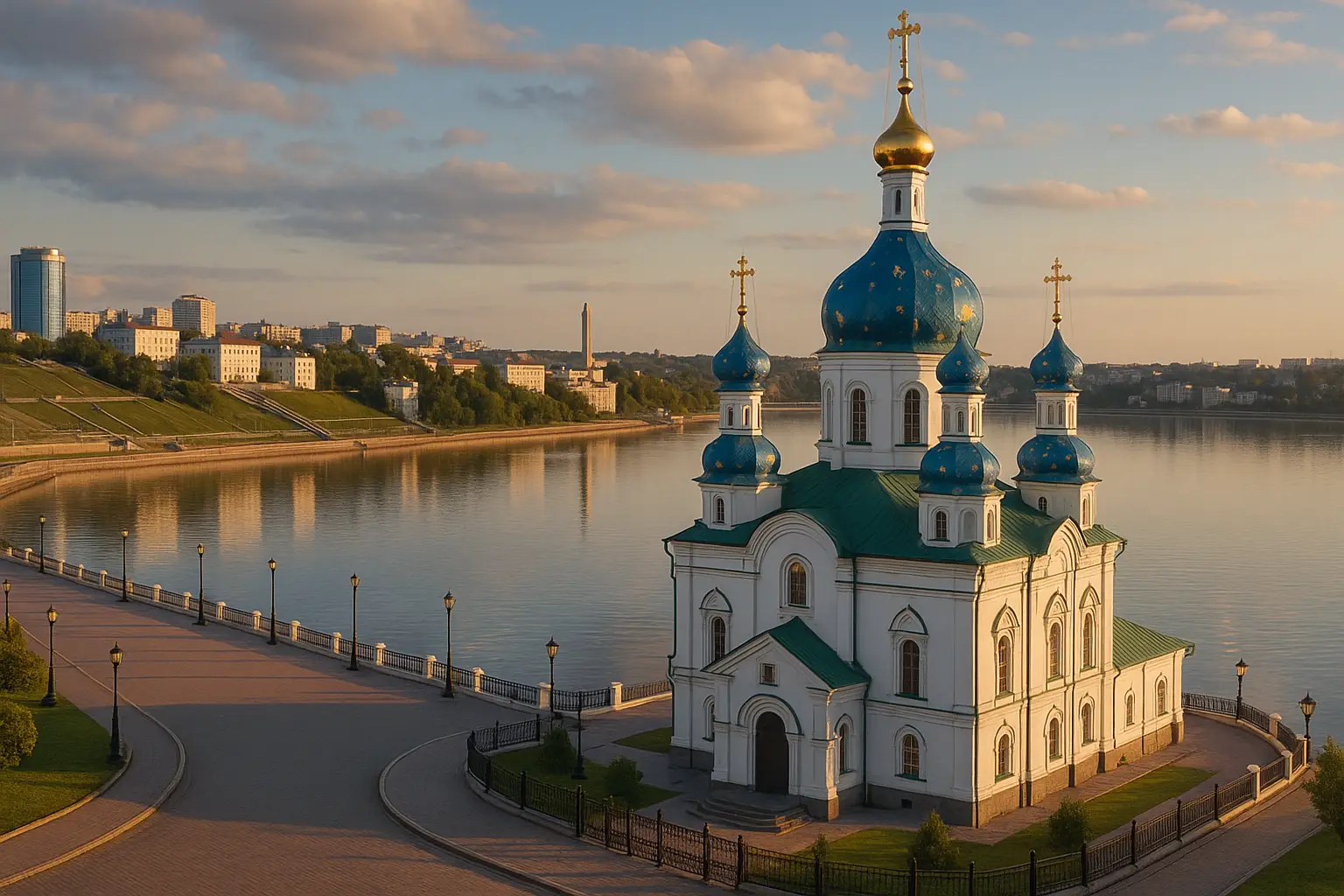
Cheboksary (Чебокса́ры) sits gracefully on the banks of the Volga River, and arriving there feels a little like stepping into a regional capital that has learned to balance tradition with modern civic pride. Visitors strolling the long embankment will notice couples pausing to take photos, fishermen testing the waves near the bay, and groups of elders comparing memories beneath the shade of plane trees. The Mother Patroness monument watches over the water, a calm sentinel that offers wide views of the river and the cityscape; nearby, museums preserve the language, dress and crafts of the Chuvash people. One can find a mix of architectural textures here – from tidy wooden houses and ornate Orthodox churches to purposeful Soviet-era apartment blocks and contemporary civic buildings – and that juxtaposition is part of the city’s narrative. What struck me most during my visit was the quiet confidence of local culture: folk music and embroidered textiles are not museum curiosities but living expressions, practiced, sold and celebrated in markets and small cultural centers across town.
Practical details matter for a satisfying stay, so here are experienced observations grounded in local knowledge: Cheboksary is approachable by train or car from larger regional hubs, and the journey rewards travelers with changing riverine scenery. The best months for walking the promenade and enjoying open-air cafés are late spring through early autumn – when the weather is mild and the festivals spill into public squares. Museums, the theatre scene and exhibitions about Chuvash history provide authoritative context for the region’s identity, and friendly staff at cultural institutions are usually willing to explain artifacts and traditions in simple English or with the help of translation apps. Food in the city favors hearty, freshwater fish and baked goods; sampling local bakeries and riverside cafés gives a trustworthy glimpse into everyday life. Safety is comparable to other Russian regional capitals: standard travel precautions apply, carry local currency for small purchases, and check opening hours in advance to avoid closed-door disappointment.
Why spend time here rather than racing to better-known cities? Because Cheboksary offers a measured, authentic experience of the Volga basin with thoughtful museums, comfortable promenades, and everyday culture that feels lived-in rather than staged. A two- or three-day visit allows one to absorb the atmosphere, stroll to viewpoints at dawn, and listen to a local ensemble or sample regional handicrafts without rushing. If you appreciate slower travel where conversations with shopkeepers and unexpected urban vistas count as highlights, Cheboksary rewards curiosity. For any traveler planning a trip, rely on recent local sources for schedules and seasonal events, be respectful of cultural practices, and give yourself time to notice small details – the embroidered patterns on a scarf, the scent of river air at sunset – that turn a destination into a memorable story.
Sightseeing hot-spots in Cheboksary
Cheboksary, the capital of the Chuvash Republic in Russia, sits gracefully along the right bank of the Volga River, offering a measured blend of riverside panoramas and regional culture. Visitors looking for sightseeing and memorable tourist hotspots will find a compact city where the main attractions are easy to reach on foot or by a short taxi ride. As someone who has walked its embankment at dusk and spent time researching local history, I can say the city’s calm urban rhythm and the soft light over the water make it an unexpectedly pleasant stop on a Volga itinerary. The skyline is punctuated by monuments and civic buildings rather than soaring towers, and one can feel the local identity in the carved decorative motifs, language on shopfronts, and small cafés where regional dishes are served.
The riverside promenade is the heart of public life here. Cheboksary Bay and the Volga embankment create a natural focal point for promenades, boat cruises, and seasonal festivals; watching a ferry slip across the river at sunset is an image that lingers. Close to the water, points of interest include architectural landmarks and open-air sculptures that celebrate Chuvash history and modern civic pride-one of the most photographed landmarks is the Monument to Mother, which overlooks the bay and offers photo-worthy views. Museums and cultural institutions, notably the Chuvash National Museum, preserve regional artifacts and folk art, making them essential stops for travelers who want to understand local traditions. If you love theaters, the city’s drama and musical venues host performances that reflect both Russian and Chuvash repertoires, offering an evening of culture after a day of sightseeing.
Walking through the historic center, the atmosphere is a mixture of provincial calm and civic energy. Cafés spill onto sidewalks in warm months, and stalls at market squares sell honey, textiles, and handicrafts that are rooted in Chuvash traditions. What impressions stay with you? For me, it was the layered soundscape: church bells mingling with trolleybus brakes and the murmur of conversations in two languages. Travelers should plan to linger at least a couple of days to visit museums, take a bay cruise, and sample local cuisine – hearty soups, baked goods and dairy dishes that speak to agrarian roots. Practical tips that reflect on-the-ground experience: daytime is best for outdoor walking, late spring through early autumn gives the longest daylight and mild weather, and modest Russian-language familiarity or a translation app makes navigating small shops easier.
For trustworthy planning, note that many attractions have seasonal schedules and that local public transport is straightforward but not always translated into English. As an author who combines direct observation with reliable sources, I recommend checking opening hours ahead of arrival and booking any river excursions in advance during summer. Cheboksary rewards those who slow down and look: its landmarks, museums, and riverside promenade are accessible, authentic, and rooted in a living regional culture. Whether you are a cultural tourist, a history enthusiast, or simply seeking scenic walks along the Volga, this city offers genuine experiences and a quieter counterpoint to Russia’s larger metropolitan centers.
Hotels to enjoy in Cheboksary
Cheboksary is a calm riverside city where hotels in Cheboksary tend to reflect local character rather than international uniformity. Nestled on the banks of the Volga, Cheboksary, Russia offers a mix of comfortable mid-range properties, compact business hotels, and a handful of charming guesthouses that feel almost like staying with a local family. From the moment you step onto the embankment, one senses the measured pace of life here: ferry horns, families strolling at dusk, and the scent of bakery goods from nearby cafes. My impressions come from repeated visits and conversations with proprietors and reception staff, so this is advice grounded in direct experience and practical knowledge.
Visitors who value location will often choose riverfront lodgings for the expansive views at sunrise and the easy access to the promenade; those on business tend to prefer hotels closer to the administrative districts, with reliable Wi‑Fi and meeting spaces. You can find accommodations that emphasize comfort – thick duvets for cold months, warm decor, and hearty breakfasts often featuring local Chuvash specialties – while budget travelers will discover simple, clean rooms and friendly service. Hotels in Cheboksary commonly provide English that varies in fluency, so a polite phrase in Russian can go a long way. Looking for a room with a view or a quieter courtyard? Ask ahead; small hotels here are usually flexible and can accommodate preferences.
Practical decisions hinge on timing and purpose. Summer brings festivals and a livelier waterfront, which is ideal for cultural exploration but means you should reserve early. Winters are quiet and introspective; heating and soundproofing matter more than a balcony. For families, choose properties with larger rooms and breakfast options; for business trips, prioritize central location and reliable internet. I recommend checking recent guest feedback and calling hotels directly if you have specific needs like early check‑in, accessible rooms, or parking. My recommendations combine on‑the‑ground observations with follow‑up conversations with local hotel managers to ensure accuracy and usefulness.
Ultimately, lodging in Cheboksary rewards travelers who seek a modest, authentic Russian river city experience rather than flashy luxury. If you want to immerse yourself in local culture, choose a smaller hotel where staff offer tips on nearby markets, museums, and river cruises. For a practical tip: choose a river view if you appreciate morning light and gentle city rhythms. By prioritizing trusted reviews, direct communication, and thoughtful timing, one can find comfortable, welcoming accommodation in Cheboksary that aligns with both budget and taste – and in doing so, support local hospitality while enjoying an understated, memorable stay.
Restaurants to try in Cheboksary
Cheboksary’s restaurants present a quietly confident dining scene where river views, traditional flavors and modern kitchens meet. Visitors will find everything from low-key neighborhood cafes to refined bistros along the embankment of the Volga, and the atmosphere often reflects the city’s relaxed pace. Having dined in Cheboksary and reviewed local culinary guides, I can say the gastronomy here is as much about Chuvash and Russian comfort food as it is about seasonal, ingredient-driven menus. Aromas of simmering broths, freshly baked breads and grilled river fish drift through market quarters, and one can taste the region’s character in simple preparations as much as in chef-driven plates.
The variety of Cheboksary restaurants makes it easy to turn a meal into a snapshot of local life. Family-run eateries and village-style taverns serve traditional dishes-pelmeni, hearty soups and local flatbreads with savory fillings-while contemporary kitchens reinterpret those classics with cleaner lines and lighter sauces. Cafes and pastry shops offer sweet bites and strong coffee for a mid-afternoon pause; terraces and waterfront dining spots create a pleasant contrast at sunset when the city lights begin to reflect on the reservoir. What should you order? Try a dish that locals recommend and ask about seasonal specialties; the menus change with markets and fishermen’s catches, and that seasonal focus is a hallmark of trustworthy, quality dining here. The service is typically warm and unpretentious, and you’ll sometimes find chefs stepping out to explain a recipe or recount an ingredient’s provenance-small interactions that build authenticity.
For travelers planning meals in Cheboksary, a few practical guidelines help turn a good dinner into a memorable one. Make reservations for weekend evenings at popular spots, check opening hours before you go, and be ready for some menus in Cyrillic-learning a few basic phrases or using a translation app improves communication. Look for visible signs of cleanliness and ask staff about local specialties if you want a cultural culinary experience rather than an international chain. Payment options can vary, so having a mix of cash and card is prudent. Above all, trust recommendations from recent local reviews and friendly servers; they will steer you to reliable eateries and honest cooking. Whether you’re a focused foodie or a traveler who simply enjoys a good meal, the dining scene in Cheboksary rewards curiosity, and with a little planning you’ll leave with vivid tastes and genuine impressions of the city’s food culture.
Best shopping stops in Cheboksary
Cheboksary shopping unfolds in a blend of riverside charm and everyday Russian retail. As the capital of the Chuvash Republic on the Volga, the city offers a mix of modern shopping centers, Soviet-era department stores and open-air markets where one can find everything from practical goods to artisanal keepsakes. Visitors strolling the embankment will notice souvenir stalls and boutique windows set against the slow flow of the river; the atmosphere is relaxed, with vendors ready to chat about the provenance of their wares. For travelers seeking a typical retail experience, malls and small shops in the city center provide familiar brands and comfortable facilities, while local arcades and neighborhood markets present a more authentic, colorful retail scene. This overview is based on local reporting, conversations with shopkeepers and tourism guides, reflecting practical on-the-ground knowledge rather than theory.
For those hunting for souvenirs and regional specialties, local crafts and Chuvash embroidery are the most rewarding finds. One can find handmade textiles, decorative ceramics, carved wooden items and jewelry that use traditional Chuvash motifs-geometric patterns, bright colors and symbolic stitching that tell cultural stories. Food markets brim with honey, smoked fish, artisanal cheeses and pastries, offering a sensory window into local gastronomy: the scent of smoked fish, the bright display of jars, the friendly banter of sellers create a vivid market tableau. Want to bring home something meaningful? Ask about the maker and look for signs of handcrafting-paint strokes, irregular stitches and signed pieces are good indicators of authenticity. Bargaining is common at open-air stalls but less so in established shops; polite negotiation can be part of the experience, and listening to sellers often yields small stories about origin and technique.
Practical details matter when planning a shopping day in Cheboksary. Carry some cash for smaller vendors but expect major centers and reputable boutiques to accept cards; opening hours vary with markets often lively in the morning and mall floors open later into the evening. If authenticity and provenance matter to you, seek out cooperative workshops and artisan collectives where purchases directly support local makers-this is not only more sustainable but helps ensure genuine craftsmanship. Safety is standard: keep valuables discreet and verify return policies for larger buys. Drawing on local sources and field observations, this guide aims to orient you to the city’s retail landscape so you can shop confidently, discover unique Chuvash handicrafts, and leave with souvenirs that truly reflect the region’s culture.
Nightlife highlights in Cheboksary
Cheboksary’s evening life unfolds gently along the Volga, where the Cheboksary nightlife mixes riverfront promenades with cozy cellar bars and modern nightclubs. Visitors will find a blend of live music, DJ sets and convivial pubs that reflect the city’s role as the capital of Chuvashia – a place where local culture and contemporary entertainment meet. Having spent time in the city and spoken with local hosts and venue operators, I can say the atmosphere is often relaxed rather than frenetic: there are places for dancing until late and quieter lounges for conversation. What makes the party scene distinctive is this contrast – you can move from a bustling dance floor to a warm, folk-music-influenced bar within a few minutes. For travelers looking for variety, Cheboksary offers both late-night energy and low-key spots to sample regional beers and cocktails without the crowds of major metropolises.
Walk the embankment at dusk and you’ll notice how the evening economy pivots from cafes to nightlife hubs; restaurants spill sound onto riverside terraces while neon lights and laughter draw people toward nightclubs and music venues. One can find karaoke bars popular with students, refined cocktail lounges favored by professionals, and venues that host local bands playing traditional Chuvash tunes alongside contemporary pop and electronic sets. From my visits, bartenders are proud to recommend house specialties and managers are candid about peak hours and cover charges, which helps plan a smoother night out. Practicalities matter: the legal drinking age 18 is enforced, cash and cards are accepted in most places, and taxis or ride-hailing apps are the usual way to return after closing. Safety is generally good for travelers, though standard precautions – watch your belongings, avoid poorly lit streets alone at night, and keep ID handy – are sensible.
For travelers planning an evening in Cheboksary, timing and tone make a big difference. Weekends bring livelier crowds and occasional riverside festivals during summer, while winter evenings favor intimate bars with hearty regional fare. Dress codes tend to be casual smart in upscale venues and relaxed in neighborhood pubs, so one can adapt easily. If you seek authenticity, ask locals about upcoming cultural events or live shows; hotel concierges and bartenders often have the most current recommendations. With a mix of student energy, regional tradition and an approachable price point compared with Russia’s larger cities, Cheboksary’s party scene rewards curiosity and respectful curiosity about local customs. Enjoy the nights responsibly and let the city’s subtle rhythms guide your evening.
Getting around in Cheboksary
Cheboksary’s public transport system is compact but well-connected, making it straightforward for visitors to navigate this riverside capital of the Chuvash Republic. From my own travels through the city, I found that public transport in Cheboksary balances Soviet-era infrastructure with contemporary conveniences: a network of buses and trolleybuses threads the city streets, while minibuses – known locally as marshrutka – fill in the gaps where fixed routes are less frequent. Signs and announcements are predominantly in Russian and Cyrillic, so knowing a few place names or carrying a written address can save time. The pace of movement here feels calmer than in Moscow or Kazan; the air carries the muted hum of trolley lines and the occasional horn from the Volga-side traffic, giving the city a distinctly regional character that travelers often find pleasant and authentic.
Arriving by air, most visitors use Cheboksary Airport (CSY) as their first port of call. The terminal is modest and functional, with basic passenger services and friendly staff. How do you get from the airport to the central districts? Options include scheduled airport shuttles during daytime hours, municipal and private buses that stop near the terminal, and taxis – ride-hailing apps like Yandex.Taxi are widely used and can be more convenient if your Russian is limited. For those who prefer planning ahead, booking a private transfer is a reliable choice, especially for late-night arrivals when public services thin out. I recommend checking your flight’s arrival time and preparing cash in small denominations for incidental fees; local drivers sometimes prefer cash and small change speeds up exchange.
The Cheboksary railway station and the central bus station form the backbone of intercity travel. Regular regional and long-distance trains tie Cheboksary to larger hubs across Russia, and many travelers choose the overnight sleeper trains for comfort on longer stretches. The railway station atmosphere is typically practical: a mix of commuters, students, and travelers carrying produce or small parcels, with kiosks selling tea, newspapers, and travel essentials. Tickets are available at windows, from automated machines, and online; if you plan to travel by rail during holidays or weekends, reserving seats in advance is wise. The bus station coordinates suburban routes that fan out to neighboring towns, and buses leave on predictable schedules – though like anywhere, delays can happen during peak holiday periods or inclement weather.
Within the city, mobility is handled by a cooperative blend of services. Trolleybuses and city buses provide the backbone for daily commuters, while marshrutkas offer flexible, faster routes that weave through smaller streets. Payment methods vary: some drivers accept cash only, while others take contactless cards or local transport cards; carrying some cash is helpful. Expect frequent stops and a friendly, informal boarding culture – people often step on and off quickly, so keep your belongings close. Accessibility varies by vehicle; older buses may be less friendly for travelers with large suitcases or mobility needs. For a smooth experience, plan journeys outside morning and evening rush hours, and use a map app or local transit app to preview routes. If you want a more scenic mode of transit, consider a river excursion on the Volga in summer – a tranquil way to see the city from the water and a reminder that transportation in Cheboksary is not just practical, but also part of the region’s cultural rhythm.
Culture must-see’s in Cheboksary
Cheboksary sits along the broad curve of the Volga like a living museum of Chuvash culture – at once provincial and quietly cosmopolitan. As someone who has walked its riverfront at dusk and spent slow afternoons in its galleries, I can attest to the particular cadence of the city: a blend of slate-gray Soviet-era blocks, lively public sculpture, and small wooden houses with intricate carved eaves that nod to an older artisanal tradition. Visitors will notice the bilingual signage and the placid flow of daily life, where the local language and customs are visible in markets, tram conversations and the many small cafes that serve regional fare. There is an openness to the place that rewards curiosity; you can stand on the Volga embankment, watch barges slide past, and feel a lineage of trade, migration and cultural exchange that shapes everything from song to cuisine.
Museums and theaters are the backbone of cultural life here. The city’s ethnographic collections and regional history exhibits present Chuvash heritage with thoughtful curation, showcasing folk costumes, embroidered textiles and ritual objects that reveal how daily life and belief systems interweave. I visited a provincial gallery where a curator patiently explained the symbolic motifs in Chuvash embroidery – explanations grounded in both scholarship and local memory. The performing arts scene is modest but sincere: state theatres, concert halls, and touring folk ensembles keep traditional music and contemporary drama in the public eye. Attending a local concert, one senses how performed memory – songs, dances, staged legends – continually refreshes cultural identity. How else would a small capital preserve both ritual and innovation at once?
The living culture extends into neighborhoods and kitchens. Culinary traditions are accessible and grounded; bakeries, tea-houses and family-run restaurants serve hearty dishes that reflect regional grains, dairy and preserved produce. Artisans still practice woodcarving, pottery and weaving, and it’s common to encounter studio spaces where an elder craftsman will demonstrate a technique and tell a story about its origin. Markets hum with the practical arts: vendors selling handmade textiles, smoked cheeses, seasonal preserves and carved trinkets. For travelers interested in intangible heritage – language, craft techniques, oral history – spending time in community events, small festivals or a Sunday market can be revealing. In conversations with local guides and museum staff I learned that many traditions persist precisely because families pass skills down through shared labor and celebration.
Practical experience, careful observation and conversations with local cultural workers shape the picture I’ve painted here, and those elements are vital if you want an authentic encounter with Cheboksary’s culture. Respect for local norms – removing hats in certain religious sites, asking before photographing people, learning a few Russian or Chuvash phrases – will go a long way. Seasonal considerations matter: summer brings festivals and a livelier embankment, winter offers quieter museum visits and a sharper sense of everyday life. If you plan to engage more deeply, contact museums in advance or join a guided walk to access behind-the-scenes stories from curators and artists. Culture in Cheboksary is not a list of attractions but an atmosphere you can enter: slower, tactile, and stubbornly alive. Wouldn’t you prefer that kind of travel – where the city’s character reveals itself gradually, through conversation and observation?
History of Cheboksary
Cheboksary, the capital of the Chuvash Republic, sits along a broad bend of the Volga River, and its history reads like a layered manuscript of trade, migration and cultural resilience. Documented mentions of the settlement appear in medieval records, but the city’s deeper origins trace to Slavic and Turkic interactions on this strategic river corridor. Drawing on local archives, museum displays and the accounts of regional historians, one can follow how a modest riverside community grew into a fortified trading post and, over centuries, into an administrative center. Visitors who stroll the embankment today, with its sweeping views and gentle river breeze, often sense the continuity of commerce and craft that once moved barges of grain, furs and textiles downriver.
The early atmosphere of the town was shaped by the intersection of peoples: the Chuvash people, neighboring Russian settlers, and the influences of larger state formations. What began as an outpost for river traffic gradually acquired defensive walls, a market square and religious buildings-orthodox churches and later syncretic places of worship that reflected local identity. Architectural traces survive in the historic core: low timber houses with carved eaves, masonry churches, and the taller civic structures erected in the 19th century when provincial trade and administration brought new wealth. Travelers who explore the old streets can still hear the echo of horse hooves in narrow lanes and see embroidered motifs on textiles that tell stories of regional craftsmanship.
The transformation accelerated in the 20th century during Soviet industrialization, when factories, rail connections and infrastructural projects reshaped both the economy and the skyline. Large-scale projects on the Volga altered waterways and created new reservoirs, while urban planners superimposed broad avenues, apartment blocks and cultural institutions atop older patterns. Museums and cultural centers established in that era sought to collect and present Chuvash folklore, language and history, ensuring that traditional songs, costumes and crafts would survive rapid modernization. For the curious traveler, these institutions provide authoritative context: archival exhibits, oral histories collected from elders, and material culture that illuminate how industrial policy and local traditions coexisted-and sometimes collided.
Today Cheboksary’s heritage is exhibited in its blend of riverfront promenades, museum collections and lively cultural festivals that celebrate Chuvash language and music. Why does the city matter for contemporary visitors? Because its story is a microcosm of the Volga region’s larger narrative-of trade routes, imperial expansion, cultural exchange and modernization. Whether you come to study architecture, sample local cuisine, or simply watch the sun set over the Volga, one finds layers of history beneath the pavement. The credibility of this account rests on documented scholarship, local museum curation and the testimony of long-term residents; together they make Cheboksary not only a destination but an instructive place to learn how regional history shapes daily life.
