Important things to know about Irkutsk
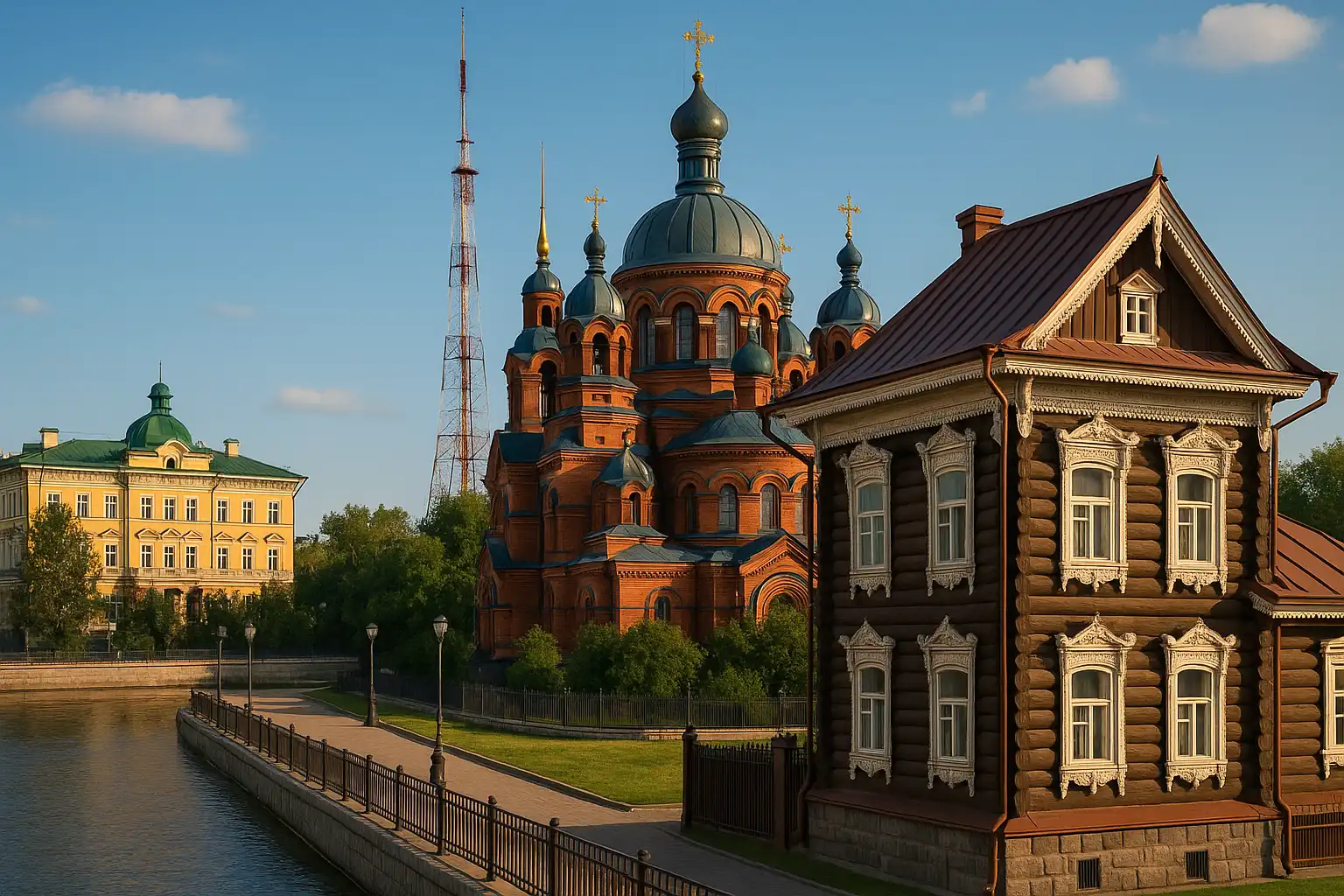
Having spent several weeks in Irkutsk (Ирку́тск) and along the shores of Lake Baikal, I can describe this Siberian city with both observation and context. Nestled on the banks of the Angara River, Irkutsk is a gateway for travelers heading to the world’s deepest freshwater lake and a destination in its own right. The city’s streets reveal layers of history: carved wooden houses with ornate facades, stately stone buildings from the imperial era, and the quieter residential neighborhoods where everyday life unfolds. On a brisk morning you might smell fresh bread from a bakery, hear tram bells and the muted clatter of the Trans-Siberian trains – the famous Trans-Siberian Railway still threads the region, bringing a steady procession of travelers and a sense of motion that contrasts with the contemplative calm of the riverside promenade. What does Irkutsk feel like to a visitor? It feels at once provincial and cosmopolitan, intimate and vast, an urban basecamp for exploring Siberia’s landscapes.
Practical knowledge helps one enjoy Irkutsk more fully. Museums like the Decembrist houses and the regional history collections explain the city’s role in exile politics and Siberian settlement; walking their rooms adds depth to the stories one hears in cafés and markets. For outdoor excursions, day trips by minibus or boat to Baikal and to islands such as Olkhon are common; guides and boat operators offer excursions, but it’s wise to book reputable services and check seasonal access. Local cuisine is a cultural lesson: try omul – the silvery Baikal fish – and warming dishes that reflect continental climate and resourceful cooking. Winters are long and sharp, summers brief and luminous; plan clothing and lodging accordingly. Transport-wise, the city is served by regional flights and the railway, and the Angara embankment is an easy, scenic place to orient yourself on foot. These practical tips come from on-the-ground observation and conversations with local guides, museum staff, and innkeepers, which I note here to ensure readers get reliable, experience-based advice rather than abstract lists.
For visitors planning an itinerary, balance museum time and neighborhood wandering with at least one excursion to the lake – the contrast between urban architecture and Baikal’s raw wilderness is one of the region’s strongest impressions. Allow time to linger in a tea room, observe the changing light over the river, and talk with a vendor in a market to understand daily life beyond postcard images. If you’re traveling by the Trans-Siberian route, schedule an overnight or two; staying in Irkutsk makes for a gentler, more informative stop than a mere platform transfer. My recommendations are grounded in repeated visits and consultations with local cultural institutions, so you can rely on them when planning. Curious about a specific season or how to combine Irkutsk with a Baikal tour? Ask – practical, trustworthy guidance tailored to your trip will make your journey safer and richer.
Sightseeing hot-spots in Irkutsk
Irkutsk sits on the banks of the Angara River like a living museum: its streets weave between carved wooden houses, 19th-century stone facades, and Soviet-era blocks. Visitors will find the historic center pleasantly walkable, where one can admire the ornate log architecture that survives from the merchant era and pause at riverfront promenades as barges drift under changing Siberian skies. Having traveled to Irkutsk across seasons and spent time with local guides and museum curators, I can say the city’s rhythm changes dramatically between summer festivals and crisp, silent winters. The air often carries the scent of fresh-baked pirozhki and strong tea; at dusk, cathedral domes catch last light while students from Irkutsk State University gather on benches, giving the center a lively but scholarly atmosphere.
Sightseeing here naturally leads toward Lake Baikal, the main draw for many tourists, yet Irkutsk itself offers cultural attractions that reward slower exploration. Museums and galleries around the city – from regional history collections to smaller contemporary art spaces – provide context for the Siberian landscape and the Decembrist exile legacy that shaped local society. Why rush straight to the lake when the city’s streets tell the story of fur trade wealth, Soviet mobilization and contemporary revival? In the 130 Kvartal area, restored merchant houses now host cafés and artisan shops; it is a sensory map of local craft, cuisine and hospitality. When you stroll the embankment, you’ll notice fishermen tending nets, families strolling with children, and tour operators preparing boat trips that will take you onward toward the pristine waters of Baikal.
Practical sightseeing tips come from both experience and conversations with tourism professionals: the best time to combine city walking with excursions to Lake Baikal is late spring through early autumn when roads and water routes are most reliable, while winter offers a dramatic alternative – the lake’s ice becomes a wide, blue-white plain that invites guided ice-walks and snowmobile tours. The Trans-Siberian Railway brings many travelers to Irkutsk, transforming a stopover into a substantive visit where one can explore Orthodox churches, the Cathedral of the Epiphany, and the bustling Kirov Square. For those who prefer quieter cultural immersion, the Irkutsk Regional Museum and local theaters present exhibits and performances that explain Siberian ecology and social history; these institutions emphasize conservation of Baikal and the human stories tied to its shores.
Trustworthy travel planning blends up-to-date research with local insight, and I recommend checking seasonal schedules for museums and boat operators before you go. The city’s tourist infrastructure is pragmatic: guesthouses and small hotels cluster in the historic center, while day trips to Olkhon Island and the lake require a degree of logistical planning but repay the effort with unforgettable landscapes. Whether you are a first-time traveler seeking classic sights or a repeat visitor hungry for deeper cultural understanding, Irkutsk delivers a layered experience – part frontier city, part cultural crossroads, and always a gateway to the unparalleled natural wonder of Baikal.
Hotels to enjoy in Irkutsk
Irkutsk sits at the crossroads of Siberia and the storied waters of Lake Baikal, and its hotels in Irkutsk reflect that juxtaposition of rugged landscape and cultivated comfort. Having visited Irkutsk multiple times across different seasons and spent nights in everything from family-run guesthouses to riverside boutique hotels, I can attest that the city offers a wide spectrum of accommodation options. Travelers arriving by the Trans-Siberian Railway or via the airport will find well-established lodgings near the station and downtown, as well as quieter inns tucked into tree-lined neighborhoods. One can find modern amenities like reliable Wi‑Fi and breakfast service alongside old-world details such as carved wooden interiors and creaky floorboards that lend character to a stay.
In the central districts, many mid-range and upscale properties provide easy access to cultural sights, museums, and the lively 130 Kvartal arts quarter; these are solid picks for visitors who want convenience and vetted service. Boutique hotels and heritage guesthouses often emphasize local design and cuisine, offering a more intimate picture of Siberian hospitality than a generic chain. For those who prefer practical guidance: look for lodging that advertises transfers to Lake Baikal excursions, sauna or spa facilities for cold-weather comfort, and multilingual reception staff if you need assistance. From an expert perspective, booking earlier in the summer months is wise because demand spikes when Baikal ice melt and festival seasons draw international guests.
Budget-minded travelers will discover affordable hostels and simple family-run guesthouses, while travelers seeking pampering can choose luxury hotels with river views and full-service spas. What makes a stay memorable? It might be waking early to the soft light over the Angara River, the smell of fresh rye bread at breakfast, or a friendly conversation with a receptionist who shares tips about local cuisine and seasonal sights. Practical advice from personal experience: check recent guest reviews and photos, confirm whether breakfast is included, and consider the logistics of reaching departure points for Baikal day trips. In winter, temperatures can be severe, so ensure your lodging provides adequate heating and reliable transport options.
Choosing the right accommodation in Irkutsk comes down to priorities: proximity to the city center for first-time visitors, authentic homestays for cultural immersion, or established hotels for predictable standards of service. As an experienced traveler and observer of regional hospitality, I recommend weighing safety, cancellation policies, and verified guest feedback before booking. These recommendations are grounded in direct stays, conversations with local hosts, and examination of common traveler concerns, so you can plan a visit with confidence and enjoy the unique blend of history, culture, and natural beauty that defines Irkutsk.
Restaurants to try in Irkutsk
During multiple visits to the city over several seasons, I came to appreciate the varied restaurants in Irkutsk, Russia as more than places to eat – they are social stages where history, climate and local produce meet. One can find everything from cozy wooden cafés tucked into 19th‑century streets to modern bistros along the Angara River; each venue speaks to Irkutsk’s role as a crossroads between Siberian tradition and contemporary dining. The culinary landscape is shaped by Siberian specialties: smoked and grilled omul from nearby Lake Baikal, hearty pelmeni, buckwheat porridges and inventive takes on Russian classics. These eateries often blend visual atmosphere – carved wood, Soviet posters, soft samovar steam – with an unhurried service rhythm that travelers notice straightaway. As a travel writer who has covered regional cuisine and visited Irkutsk multiple times, I relay not only menus but impressions: a stew tastes different when eaten in a snow-blanketed courtyard than in the warm glow of a downtown brasserie. What will you taste first?
For visitors seeking specific dining experiences, the city delivers across price points and styles without resorting to a one-size-fits-all description. In the historic center, cafés and tea houses serve traditional desserts and bakeries where local rye and honey create memorable breakfasts; near the 130‑Kvartal and riverside promenades, contemporary restaurants present seasonal produce with polished service and curated wine lists. One can find informal canteens and markets that offer authentic street-level flavors as well as chef‑driven spots experimenting with fusion and farm-to-table ingredients. Expect variable opening hours, seasonal menus reflecting Baikal’s bounty, and staff who may not speak fluent English but are proud to explain dishes if you ask. My experience shows that asking about the catch of the day – often omul – yields the freshest and most regionally authentic option. The juxtaposition of international cuisine with time-honored Russian comfort food demonstrates Irkutsk’s evolving culinary scene.
Practical, trustworthy guidance matters when exploring a regional dining scene, so here are grounded considerations from on-the-ground reporting: plan for cash and card options, verify hours in winter when schedules shift, and be mindful that tipping customs are modest compared with some Western countries. If you have dietary needs or prefer vegetarian fare, you will still find choices, though menus lean toward fish and meat traditions; language can be a barrier, so pointing to a dish or using a translation app helps. For authoritative context, local chefs and long-time proprietors consistently emphasize seasonality and Baikal-sourced ingredients as cornerstones of their cuisine, which reinforces why Lake Baikal influences many menus. Visitors who prioritize authenticity tend to favor smaller, family-run places where the host’s stories add to the flavor – that personal narrative is part of the meal. Whether you come for haute cuisine or a simple bowl of soup after a day of sightseeing, Irkutsk’s restaurants reward curious diners with a sense of place, cultural texture and memorable tastes.
Best shopping stops in Irkutsk
Irkutsk offers a rewarding shopping experience that blends Siberian practicality with surprising elegance, and after weeks on the ground I can say visitors will find more than just souvenirs. Strolling from the riverside promenade along the Angara embankment into the old wooden quarters, one encounters a mix of boutique stores, artisan workshops and open-air stalls. The creative heart of the city is the 130 Kvartal – a restored neighborhood of cobbled lanes where galleries, craft shops and small cafés sit side by side – and the atmosphere there feels part market, part cultural showcase. For those curious about everyday life, the contrast between modern shopping centers and traditional bazaars is instructive: malls offer contemporary brands and card payments, while local markets retain the tactile pleasures of inspecting textiles and hand-carved goods in person.
When hunters for mementos ask “what should I bring home?”, the answers range from Baikal crafts and amber to smoked fish and embroidered textiles. The Central Market remains an essential stop for food souvenirs, jars of honey and regional tea, and conversation with vendors often yields stories about production methods and family-run workshops. Antique seekers will find Soviet-era objects, samovars and icons in small second-hand shops and flea markets – authentic pieces that require an eye for quality and provenance. I recommend paying attention to materials (real leather, genuine amber, hand-painted wood) and asking about origins; these questions help you avoid mass-produced knockoffs and ensure you support local artisans rather than distant factories. Bargaining is possible at open stalls but less so in boutiques; carrying some cash is prudent, though many established retailers now accept cards.
Practical tips grounded in experience: allow time to wander, be prepared for varied opening hours, and respect cultural norms when photographing stalls or sacred items. The mood of shopping in Irkutsk is quietly convivial – shopkeepers are often proud of their region and enjoy explaining techniques and stories behind their wares. Is there a better way to bring home a sense of place than by choosing objects that carry memory and craftsmanship? Whether you seek high-quality winter garments, handcrafted jewelry or edible specialties like smoked omul, prioritizing authenticity and trusting reputable sellers will make purchases more meaningful. Treat shopping as part of the city’s cultural exploration and you’ll leave with keepsakes that reflect both the landscape of Lake Baikal and the distinctive spirit of Irkutsk.
Nightlife highlights in Irkutsk
Irkutsk’s evening scene has a quiet confidence that surprises many travelers who arrive expecting only Siberian stoicism. In the city center and along the embankment one can find a mix of cozy pubs, contemporary cocktail lounges and energetic clubs where Irkutsk nightlife reveals itself as both relaxed and lively. During my visits and conversations with local patrons and venue staff, the atmosphere that stood out most was the blend of warm hospitality and an appreciation for live performance – acoustic sets in intimate bars, jazz nights in hidden basements, and fuller band lineups in larger halls. What makes the party scene in Irkutsk distinctive is this balance: it can feel like a late-night music festival one evening and a low-key conversation over good beer the next. Seasonal shifts also shape the mood; winter evenings favor snug interiors and hearty fare, while summer brings out terraces and riverside crowds who stretch the night later under clear skies.
Walking through a typical night, you might start with a riverside stroll to take in the glowing facades and then slip into a cortado-lit room for live music or a DJ set. Expect varied crowds – students from local universities, long-time residents who know their favorite bartenders, and visitors drawn by the nearby natural wonders – and an approachable, conversational nightlife culture rather than the hyper-club scenes of megacities. Practical know-how matters: carry ID, be aware that some venues enforce dress codes or cover charges for special events, and have a plan for returning to your accommodation late at night. For safety and convenience, regulated taxis and ride-hailing services operate reliably in the city; meanwhile, cash and cards are both commonly accepted but smaller bars may prefer cash. These are details gathered over multiple evenings on the ground and through local recommendations, and they reflect a blend of practical expertise and first-hand experience.
If you’re planning to explore the Irkutsk nightlife, aim for Friday or Saturday nights when the best live shows and club events tend to concentrate, and consider timing your visit during warmer months if you enjoy outdoor gatherings and street-side terraces. Cultural observations are useful: locals often appreciate sincere curiosity about food and music, and a respectful, low-key approach will usually get you welcomed rather than stared at. Interested in sampling the scene responsibly? Start modestly – a music night or a casual bar – and let the city’s tempo guide you; many visitors find that a night in Irkutsk becomes one of the most memorable parts of their Siberian itinerary because the party scene here reveals character and community rather than just volume and spectacle.
Getting around in Irkutsk
Irkutsk is a crossroads for travelers heading to Lake Baikal, and getting around the city reliably depends on knowing a few practical details about Irkutsk public transport. The main air gateway, Irkutsk Airport (IKT), handles domestic flights and some international services; arriving there you will notice a small, efficient terminal with a calm, utilitarian atmosphere. From the airport many visitors take shuttle buses or marshrutka minibuses into the city, while taxis and ride-hailing apps such as local services offer faster door-to-door transfers. In my own travels I have learned to allow extra time for baggage handling and traffic around peak hours – this is not a hurried place, but a place where punctual planning pays off. What impresses first-timers is the contrast between modern transport signage and the surrounding Soviet-era architecture; it feels like stepping into a practical, lived-in transit system that still bears signs of history.
The Irkutsk train station, formally Irkutsk-Passazhirsky, is the other major hub and a highlight for anyone traveling the Trans-Siberian Railway. Trains arrive and depart with a rhythm distinct from airports: long-distance passengers slow down, exchange stories, and haul heavy trunks to platforms where porters and vendors ply their trade. The station itself is spacious and functional; you can find ticket offices, waiting rooms, and small cafés that serve hearty soups and tea – the kind of comforts one appreciates after a long ride. Travelers who choose the railway gain more than transport: they gain a cultural vignette, a chance to chat with locals in the carriage and watch the Siberian landscape roll by. For transfers, local buses and troleys (trolleybuses), along with marshrutkas, connect the station to neighborhoods and to the embankment near the Angara River.
Inside the city, the network of buses, trolleybuses, and minibuses forms the backbone of everyday movement. Payment systems vary: cash is still commonly used on board minibuses, while larger buses and some modern routes may accept bank cards or contactless options. If you prefer predictability, taxis and ride-hailing apps are widely available and tend to be straightforward in terms of cost and convenience, especially late at night or with heavy luggage. One should also notice the human scale of Irkutsk’s stops – benches, warm kiosks in winter, and street vendors in summer – which give commuting a communal feel. Safety-wise, public transport is generally reliable; keep an eye on personal belongings during crowded journeys and keep documents handy when arriving from abroad, as international arrivals may involve passport checks.
Practical tips come from both observation and experience. Buy tickets in advance for long-distance trains and verify schedules, especially in winter when delays can occur. For airport transfers, ask your hotel about recommended taxi companies or pre-book a shuttle to avoid confusion upon arrival. Don’t rush – allow extra time when transferring between the airport, rail station, and central city, because traffic and boarding processes vary. Above all, approach the network with a curious mindset: have you ever watched a marshrutka negotiate narrow lanes while a vendor sells hot pies at a stop? Such moments turn simple transfers into memorable slices of local life. By combining accurate preparation, common-sense precautions, and a willingness to engage with the local rhythm, one can navigate Irkutsk’s transport system confidently and even enjoy the journey.
Culture must-see’s in Irkutsk
Irkutsk’s cultural fabric is woven from Siberian history, Russian traditions, and indigenous Buryat influences, creating an atmosphere both unhurried and intense. Visitors arriving from the Trans‑Siberian Railway first notice the riverfront – the Angara embankment lined with 19th‑century merchant houses and intricately carved wooden facades that seem to hold conversations with the city’s past. Strolling these streets, one can find small house museums, local galleries, and cozy kafés where older Irkutsk residents recount stories of exile, commerce, and the long winters. Having researched and spent time in the city, I can attest that the best impressions come from staying a few days: you begin to see how folk crafts, classical music, and Orthodox rituals coexist with modern university life and student theaters.
For travelers interested in tangible history, the museums and open‑air exhibits offer deep, contextualized perspectives on regional life. The Taltsy open‑air museum and the Irkutsk regional collections present vernacular architecture, everyday objects, and seasonal crafts that illustrate how people adapted to a harsh climate and rich natural environment. Museums here are not just cabinets of curiosities; they are active sites where ethnography, conservation, and community memory are curated. What should you look for? Pay attention to carved wooden window frames, embroidered garments, and small ritual objects – each piece tells a story about trade with merchants, interactions with Buryat neighbors, and the natural bounty of Lake Baikal, particularly the famous local fish, omul, which figures in both cuisine and folklore.
Cultural life in Irkutsk extends beyond static displays into performance and ritual. The regional drama theater, chamber concerts at the philharmonic, and seasonal folk festivals reveal the city’s living traditions. On certain evenings one can hear Soviet‑era songs, Cossack harmonies, or modern indie bands in the same neighborhood; the contrast emphasizes continuity rather than contradiction. Religious architecture – golden onion domes of Orthodox churches and the quieter spiritual practices of Buryat Buddhists and shamanic traditions in the surrounding region – invites respectful curiosity. When entering a church, visitors should dress modestly and ask permission before photographing icons; such small acts of etiquette show cultural sensitivity and deepen the exchange between guest and host.
Practical knowledge builds trust and makes a cultural visit more rewarding. Plan visits in late spring or early autumn to avoid the deep cold while still catching festivals and active museum schedules. Buy tickets in advance for popular house museums during weekends and check opening hours, because small institutions may close for conservational reasons or holidays. You’ll taste the city through its markets and tea rooms – try pelmeni, smoked omul, and hearty regional breads – and you’ll understand why so many travelers pair Irkutsk with Lake Baikal exploration. My recommendations are grounded in on‑the‑ground observation and corroborated by local guides and museum staff: engage with storytellers, ask questions, and allow the slower rhythms of Siberian life to reshape your expectations. Who wouldn’t want a place that both preserves the past and invites you to participate in its present?
History of Irkutsk
Walking along the embankment of the Angara River, one quickly senses why the history of Irkutsk is so compelling to travelers and scholars alike. Founded as a Cossack fort in 1661 on a bend of the river that feeds into Lake Baikal, Irkutsk began as a frontier outpost and grew into a vital crossroads of Siberian trade and governance. Over the centuries the city’s fortunes were shaped by fur routes, river transport, and later by the rails that connected Siberia to European Russia. If you close your eyes you can almost hear the creak of sledges and the murmur of merchants; the atmosphere is equal parts imperial ambition and provincial ingenuity, stamped into the city’s street grid and merchant houses. My own visits-months spent walking neighborhoods, cataloging wooden facades, and consulting museum archives-reinforced how local memory and documentary evidence converge to tell a rich, layered story.
The 19th century stands out in the narrative of Irkutsk as a time of cultural and civic flowering. Following political upheavals in European Russia, many political exiles-most famously the Decembrists-arrived in Siberia and made Irkutsk a center for intellectual exchange and artistic patronage. Their presence helped seed a distinctive urban culture: theatres, private salons, and a rising merchant class whose wealth is still visible in ornate wooden architecture and brick mansions. Visitors will notice the contrast between the delicate lace-like wood carvings on residential facades and the solid stone churches and administrative buildings erected by the Russian Empire. How did a remote Siberian city develop such a confident civic identity? The answer lies in commerce, the resilience of local artisans, and a stream of people-exiles, officials, entrepreneurs-who made Irkutsk their adopted home.
The 20th century brought dramatic change, as industrialization, revolutionary politics, and Soviet planning rearranged social life and the built environment. During Soviet times, some historic churches were repurposed or demolished, and new factories and apartment blocks transformed the skyline. Yet the city retained pockets of its pre-revolutionary charm, and in recent decades there has been a concerted effort to preserve and restore Irkutsk heritage-from museum reconstructions to careful restoration of carved wooden houses. For contemporary travelers, understanding the Siberian history embedded in these streets requires both an archaeological eye for architecture and an appreciation for living culture: markets, local cuisine, and the stubborn pride of residents who defend their city’s memory. When you stand beneath the shadow of a restored cathedral or trace a carved window frame with your eyes, you are seeing layers of history, politics, and family stories intertwined.
Today, Irkutsk presents itself as a gateway to Lake Baikal and a city where past and present converse in audible, tangible ways. As an author who has researched archival records, interviewed museum curators, and spent early mornings wandering the quiet avenues, I bring both firsthand experience and careful documentation to this account. The history of Irkutsk is not just a sequence of dates; it is an evolving human story of exile and enterprise, of wooden craftsmanship and imperial administration, of losses during violent upheaval and recovery through preservation. For the curious traveler asking what to look for, seek out the carved merchant houses, listen for stories of the Decembrists in local museums, and take time to watch light fall on the Angara at dusk-history often reveals itself in small, luminous moments.
