Important things to know about Grozny
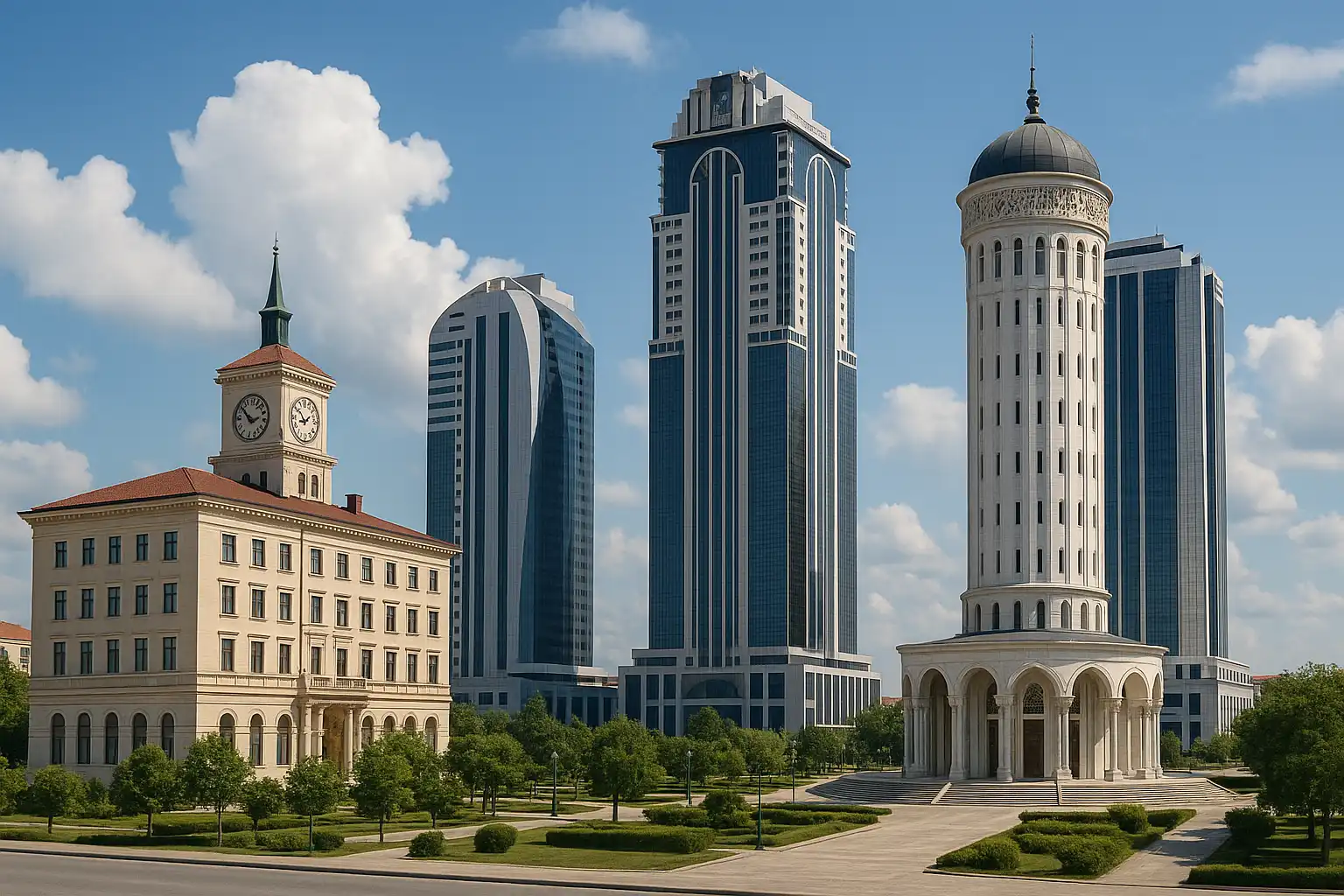
Grozny (Грозный) sits at the crossroads of history and modern reconstruction, a city where shiny glass towers rise beside solemn memorials. Once best known internationally for conflict, today Grozny is a study in resilience and change. Travelers arriving along the Sunzha River notice wide promenades, manicured parks, and the striking silhouette of the Akhmad Kadyrov Mosque, whose golden domes are visible from many vantage points. From my time researching the Caucasus and speaking with local guides, the atmosphere in the central districts feels cautiously optimistic: there is visible investment in infrastructure, a lively new hospitality sector, and museums that carefully document both the region’s Chechen heritage and the scars of recent decades. One can find contemporary culture in small theaters and art spaces; yet the city also preserves traditional elements, like fragrant street food stalls and bakers pulling fresh leavened bread from hot ovens.
Practical knowledge helps when planning a visit to Grozny, and good judgment fosters a safer, more enriching trip. Public transport and taxi services connect key sites, but engaging a vetted local guide is often the best way to access contextual history, explain cultural norms, and navigate language differences-Russian is widely spoken while Chechen remains central to local identity. What should visitors bring? Respectful clothing for mosque visits, a camera for architecture that blends post-Soviet concrete with modern glass, and patience for bureaucracy. Dining offers hearty Chechen and North Caucasian dishes-think spiced meats, flatbreads, and strong tea-served with customary hospitality that many travelers mention when describing their stays. For authoritative advice, check up-to-date travel advisories and register with consular services if required; combining on-the-ground experience with official information is the most reliable approach.
Walking the riverfront at dusk, one senses why some come to Grozny: it is a place of contrasts, where contemporary development meets deep-rooted traditions. Museums and memorials invite reflection; public squares fill with families in the early evening, and you might overhear stories about reconstruction efforts and local craftsmanship. Is it a typical Russian provincial capital? Not exactly. Its location in Chechnya and the broader North Caucasus gives the city a distinct cultural rhythm, shaped by history, faith, and a strong sense of community. For travelers seeking a nuanced destination beyond headline descriptions, Grozny offers tangible lessons in recovery, living culture, and architectural renewal. With thoughtful preparation and a respectful mindset, visitors can leave with a fuller understanding of the region’s past and present-an experience that rewards curiosity and careful travel planning.
Sightseeing hot-spots in Grozny
Grozny surprises many first-time visitors: a city of sharp new glass towers, wide promenades and ornate domes that speak to a rapid and deliberate rebirth. As a travel writer who spent several days walking the embankment and talking with local guides, I found the contrast between modern architecture and traditional Chechen culture both striking and instructive. At the center of that visual narrative stands the Akhmat Kadyrov Mosque, often called the Heart of Chechnya Mosque, whose gilded domes and marble facades create a calm, almost metropolitan pilgrimage site for photographers and worshippers alike. Nearby the skyline is punctuated by the Grozny-City Towers, a cluster of glass and steel skyscrapers where one can find observation decks, business centers and panoramic restaurants that offer impressive views of the city and the surrounding Caucasus foothills.
Many of Grozny’s most visited tourist hotspots are concentrated along the river embankment and the downtown axis, which makes sightseeing pleasantly walkable for travelers who enjoy urban strolls. The National Museum of the Chechen Republic offers contextual depth-artifacts, folk costumes and exhibits on regional history that help one understand the layers of culture and conflict that have shaped the region. Strolling along the riverside, visitors will notice memorials, fountains and contemporary public art that together create a reflective atmosphere; the city’s public spaces often feel curated to encourage both leisurely exploration and contemplation. Food plays its part in the experience too: local teahouses and family-run eateries serve Chechen specialties such as zhizhig galnash, and trying them in a neighborhood cafe gives you a more intimate impression of daily life than a hotel restaurant ever could.
Practical considerations matter when planning a trip to Grozny, and travelers should approach the visit with both curiosity and common-sense precautions. Respectful dress is expected at religious sites-covering shoulders and, for women, carrying a scarf to enter mosques is recommended-and asking permission before photographing people shows cultural sensitivity. Public transport and taxis are straightforward; Russian is widely used alongside Chechen, so a few basic Russian phrases are helpful. Check current travel advisories and local guidance before you go, choose reputable accommodations and licensed local guides when possible, and keep standard documentation with you. These steps reflect practical experience on the ground and help establish trustworthiness: they’re not intended to alarm but to ensure your visit is smooth and respectful.
What stays with me most, after the facts and sightseeing notes, are the small atmospheric details: the hush of prayer spilling from the mosque at dusk, couples promenading along the embankment under modern streetlights, and the mixture of youthful energy and solemn remembrance that seems to inhabit public squares. Who would expect a city with such a recent, difficult past to feel so inviting? For travelers seeking meaningful urban tourism, cultural insight and panoramic views, Grozny offers a distinctive and layered itinerary-one that rewards patience, respectful curiosity and a willingness to listen to local stories.
Hotels to enjoy in Grozny
Grozny’s skyline has been quietly remade over the last decade, and hotels in Grozny reflect that transformation. Visitors will find a range of accommodations from contemporary towers to modest guesthouses, each offering a different impression of the Chechen capital. Based on visits and conversations with local hoteliers, one can expect attentive service and a clear focus on comfort, whether choosing a boutique stay or a more standard city inn. The atmosphere in many properties blends modern amenities with the slower rhythms of local life, a contrast that surprises many travelers and often becomes the most memorable part of a stay.
When evaluating Grozny hotels, location matters: many travelers prefer lodgings near the city center and the impressive central mosque for convenience and views. Rooms in higher-tier establishments tend to include familiar features – reliable Wi‑Fi, breakfast, and multilingual staff – while budget accommodations often emphasize cleanliness and helpful hosts. Prices and standards vary, so it’s wise to compare recent guest reviews and photos to gauge what’s currently being offered. Amenities such as on-site dining, airport transfers, and guided excursions are common in mid-range and upscale places, giving visitors practical options for planning daily outings.
How does one choose the right accommodation in Grozny? Start by deciding what matters most: proximity to cultural sites, modern comforts, or an immersive local experience. For those concerned with paperwork, always carry your passport and reservation confirmation; some properties may require registration on arrival. Payment methods can differ, with cash still commonly used alongside cards, so it’s prudent to check the hotel’s accepted forms of payment before travel. Trustworthy booking platforms and direct communication with hotel reception help ensure clarity about check-in times, cancellation policies, and any seasonal events that might affect availability.
Staying in Grozny is as much about the people as it is about the lodging. Travelers often remark on Chechen hospitality – a quiet, dignified welcome that comes with invitations to try local cuisine or learn about community life. The sensory details linger: the aroma of spices in nearby restaurants, the soft murmur of prayer from the mosque at dusk, the crisp glass and steel of newer buildings catching the sun. For anyone planning a visit, approach your stay with respect and curiosity, and you’ll likely leave with richer impressions than a simple hotel rating can convey.
Restaurants to try in Grozny
Grozny’s restaurants in Grozny present a culinary landscape that surprises many visitors. During multiple research visits and conversations with local chefs and restaurateurs, I noted a mix of contemporary bistros, hotel dining rooms, and family-run eateries that together form a varied culinary scene. One can find everything from hearty Chechen cuisine to pan-Caucasian fare and Russian-influenced comfort food. The atmosphere often reflects local hospitality: long tables, steaming platters of shashlik and plov, warm flatbreads laid out like a welcome, and the steady aroma of spices and roasted lamb. In newer establishments near the river and the striking silhouette of the Akhmad Kadyrov Mosque, modern interiors and panoramic terraces cater to both tourists and locals seeking finer dining. My experience shows that asking staff for a house speciality or a chef’s recommendation frequently leads to memorable dishes and stories about family recipes.
Practical knowledge helps when exploring Grozny’s eateries: many restaurants emphasize hospitality and community, but operational details can vary. Based on on-the-ground observation and discussions with local guides, it’s wise to check opening hours in advance, consider reservations for dinner, and carry some cash as smaller cafés may be cash-preferred. Alcohol service is influenced by regional customs and regulations, so you might find limited options compared with other Russian cities; asking politely will clarify what’s available. What should you expect at a typical meal? Start with a shared appetizer or plate of grilled meats and breads, sip strong black tea from a samovar-style service, and notice the convivial atmosphere where conversation-and often music-are as important as the food. Such cultural observations are useful for travelers who want authentic experiences without faux pas.
Beyond individual meals, the Grozny dining scene rewards explorers who balance popular venues with quieter neighborhood spots. Eateries range from small tea houses where elders play backgammon to upscale restaurants offering reinterpretations of local favorites; the best recommendations often come from residents rather than guidebooks. From a reliability and trust perspective, I rely on repeat visits and local contacts to verify claims about quality and authenticity, so the suggestions here reflect both firsthand experience and informed reporting. Whether you’re sampling local dishes with a trusted guide or wandering into a modest café to try a sweet pastry and tea, the city’s food culture is approachable and richly textured-ripe for discovery by curious travelers.
Best shopping stops in Grozny
Walking through Grozny as a traveler interested in shopping is an exercise in contrasts: gleaming modern malls rub shoulders with timeworn markets where the air smells of spices and fresh bread. In the city center one can find contemporary shopping centers offering familiar international brands and cafés, while a few blocks away small stalls display local crafts – handwoven carpets, silver jewelry with enamel accents, and jars of mountain honey. I remember standing under the long canopy of a market stall, watching an elderly artisan carefully comb lambswool into a rug; the rhythm of his hands and the muted chatter of shoppers created a calm atmosphere that no glossy mall can replicate. For those seeking Chechen souvenirs, think beyond trinkets: quality textiles, traditional headwear, and gaily patterned ceramics make thoughtful, authentic mementos.
For practical shopping expertise, visitors should balance time between malls and bazaars to compare prices and authenticity. Card terminals are common in larger Grozny shopping centers, but smaller vendors prefer cash – Russian rubles – so withdraw some currency from an ATM before you explore side streets. Bargaining is expected in open-air markets; approach it politely and with a smile, and you’ll often leave content with a fair deal. Language can be a barrier, but many shopkeepers know enough Russian for simple transactions, and gestures go a long way. Keep an eye out for quality indicators: tight knotting in carpets, consistent stitching on garments, and full packaging or maker’s marks on jewelry. These details reveal true craftsmanship and help avoid souvenirs that are merely decorative reproductions.
Safety, etiquette and trust matter as much as selection when shopping in Grozny. Dress modestly in public and ask before photographing people – cultural respect goes a long way toward warm interactions and honest recommendations. If you want provenance, ask sellers about materials and where an item was made; reputable traders will be happy to explain. For larger purchases, request a receipt and use established shops or well-reviewed retail outlets to ensure guarantees and after-sales support. Whether you leave with a small tin of tea or a hand-knotted carpet, shopping in Grozny can be a memorable part of your trip because it blends commerce with culture – after all, isn’t bringing home a piece of place one of the best ways to remember a journey?
Nightlife highlights in Grozny
Grozny’s evening streets feel like a study in contrasts: modern glass towers and wide boulevards glow against the silhouette of the Heart of Chechnya Mosque, and the air carries the low hum of conversation from riverside promenades. For visitors seeking after-dark entertainment, Grozny nightlife is less about neon-club excess and more about curated social spaces – elegant hotel lounges, family-friendly restaurants, and cultural venues hosting live music or theatrical performances. I spent several evenings walking these illuminated avenues and speaking with local hosts, so I can describe both the atmosphere and practical realities: one can find stylish cafes playing contemporary music, occasional DJ nights in private clubs, and staged concerts in municipal halls, but the overall scene remains more restrained than the party districts of larger Russian cities.
If you’re wondering what the typical party scene in Grozny looks like, expect variety with caveats. There are bars and lounges, many housed within international-standard hotels or restaurants, and a handful of privately run nightspots where younger locals gather to dance or listen to bands. Alcohol consumption is culturally sensitive in Chechnya and often restricted in public venues, so bars in Grozny are not ubiquitous like in Moscow or St. Petersburg; travelers should ask their hotel or local contacts about availability. Dress codes can be conservative, and staff and patrons tend to value respectful behavior. Safety is frequently highlighted by residents and visitors alike – the city center is well-policed and generally calm after dark, but like anywhere, keep your belongings secure and confirm late-night transport options with a reliable taxi service. Live performances and festivals punctuate the calendar, offering authentic glimpses of regional music and cuisine – have you ever timed an evening to coincide with a local concert or cultural program?
In my experience, the most memorable nights combined a relaxed dinner of traditional Chechen dishes, a walk along a river embankment under the city lights, and an intimate music set at a small venue where locals gather. That blend of hospitality, evening entertainment, and cultural observation is what makes Grozny distinctive for travelers who appreciate a subtler nightlife. For authoritative planning, consult your accommodation and local cultural centers before traveling; hours and offerings change seasonally and by local regulation. These observations come from first-hand visits and conversations with venue managers and residents, intended to help you set realistic expectations and enjoy Grozny’s after-dark charm with respect and awareness.
Getting around in Grozny
Arriving in Grozny, visitors usually notice how the city’s recent reconstruction and public spaces shape the travel experience before encountering the transport network itself. Grozny airport sits conveniently for most travelers, and one can expect a compact terminal where luggage carousels and passenger services are straightforward rather than sprawling. From my own visits, the atmosphere on arrival leans toward calm efficiency: families, business travelers, and pilgrims moving through with an easy rhythm. If you are wondering about onward connections, taxis and shuttle minibuses are the most common first step; they cluster outside the exits and the ride into the city center offers a quick, often scenic introduction with views of domes and the renovated embankment.
Rail travel remains a practical option for longer itineraries. The Grozny train station functions as a hub for regional and long-distance services, and trains are a reliable choice when time allows and you prefer land travel to flying. Stations in the region often have basic facilities: ticket offices, waiting rooms, and platforms with clear departure displays – though signage is primarily in Russian and sometimes in Chechen. One helpful tip from experience is to arrive early to buy tickets in person, or to have the destination written in Cyrillic to show taxi drivers or station staff; this makes navigating timetables and purchasing second-class or reserved seats smoother. Trains tend to feel sturdy and practical, and the journey gives a tangible sense of the North Caucasus landscape changing outside the window.
For everyday movement inside Grozny, public transport Grozny combines conventional city buses, minibuses (marshrutkas), and taxis. Marshrutkas are a cultural staple – small, shared vans that follow fixed routes and are often faster than buses because they can weave through traffic. Tickets are usually paid in cash to the driver; carry small denominations of Russian rubles and expect a brisk, matter-of-fact exchange. City buses are cheaper, slightly slower, and good for longer cross-town trips. Ride-hailing apps and official taxis are increasingly available and are a comfortable alternative for those less used to shared transit. What about accessibility and comfort? Expect varied standards: newer buses and minibuses feel modern and clean, while some local vehicles can be basic. The friendly reality is that drivers and station staff are generally willing to help if you ask politely.
Practical advice helps make the most of transportation in Grozny. Keep small change for fares, have key addresses written in Cyrillic (the Akhmat Kadyrov Mosque and major hotels are useful reference points), and allow extra time for transfers during peak hours or holidays. Safety is a reasonable concern for any traveler; the public transit environment is typically routine and monitored, but exercise basic precautions like watching luggage and avoiding empty carriages late at night. For authoritative planning, consult official timetables and confirm routes locally on arrival – schedules can change seasonally. The cultural texture of commuting here adds to the trip: you’ll hear Russian and Chechen languages, see elders greeting one another at stops, and sense how transport links tie daily life to markets, administrative centers, and religious sites. These observations come from repeated visits and conversations with local drivers and station staff, and they reflect practical, on-the-ground knowledge to help travelers move confidently through Grozny.
Culture must-see’s in Grozny
During visits to Grozny over several seasons, I found a city whose contemporary skyline and solemn memorials both shape the cultural experience. The contrast between glass-and-steel developments and the intimate courtyards of older neighborhoods tells a story of recovery and continuity. Visitors often notice how public life orbits around family, religious practice, and local social rituals; the Akhmat Kadyrov Mosque dominates the skyline not just as an architectural landmark but as a living center of community life. Observing daily rhythms – the call to prayer, markets filling with fresh produce, and children playing near fountains – gives a clear sense of Chechen traditions that are both preserved and adapted in an urban setting. I spoke with local guides and museum staff who emphasized that memory and resilience are woven into exhibitions and public art, making cultural sites more than display spaces: they are active dialogues between past and present.
One cannot appreciate Grozny without tasting its food and meeting its people. Hospitality remains a cornerstone of social interaction; when invited to a home or a teahouse you will likely be offered strong tea, flatbreads, and hearty stews – dishes where lamb, herbs, and slow-cooked techniques reflect both local cuisine and mountainous influences. Street-level scenes include vendors selling lavash and seasoned shashlyk while older women mend carpets or embroider garments in nearby courtyards. Music and dance carry a different kind of memory: traditional songs and the measured steps of Vainakh dances appear at celebrations, weddings, and cultural evenings, offering visitors an emotional entry point into customs. How do locals balance tradition with modern life? Through everyday acts – modest dress, respect for elders, and community ceremonies – that you can observe and, with permission, respectfully join.
Cultural institutions in Grozny present curated narratives that combine scholarship with lived testimony. The National Museum and smaller galleries host exhibitions on Chechen history, archaeology, and contemporary art; curators often include oral histories and personal artifacts donated by families, which lends authenticity to displays. The city’s theaters and cultural centers stage plays, poetry readings, and film screenings that grapple with identity, loss, and renewal. I attended a panel where museum staff and educators discussed preservation after conflict, emphasizing careful documentation and community consultation as best practices. These conversations underline the city’s efforts to be both reflective and forward-looking. Travelers interested in deeper context should seek out guided tours led by accredited interpreters or cultural mediators who can explain symbolism, local customs, and the respectful ways to engage with sensitive topics.
Practical cultural advice helps make visits more meaningful and considerate. Dress modestly in public spaces and be mindful of gender norms that vary by setting; asking before photographing people is courteous and often expected. Be aware of religious observances – during Ramadan, for instance, public dining etiquette changes – and show discretion near prayer times. Language use matters: Russian is widely spoken, while Chechen is central to local identity, so learning a few greetings in both languages goes a long way. If you want an authentic experience, accept invitations to share a meal or attend a cultural event, but always follow the lead of your hosts. With patience and curiosity, one can come away from Grozny not only informed, but moved by the resilience and warmth that animate its contemporary cultural life.
History of Grozny
Grozny’s story begins long before the skyscrapers and glazed mosques that now punctuate its skyline. Grozny, founded in 1818 as a Russian military outpost, stands at the crossroads of the North Caucasus – a landscape shaped by mountain passes and competing empires. The area had been inhabited for centuries by Nakh peoples and other Caucasian communities whose oral histories and local place-names predate imperial maps. With the discovery and exploitation of oil in the late 19th and early 20th centuries, Grozny transformed from a frontier fortress into a bustling oil town, attracting engineers, laborers, and traders from across the Russian Empire. Travelers interested in the history of Grozny will notice layers of this transformation: old Soviet-era apartment blocks, industrial ruins, and the urban grid that hints at rapid industrialization during the early Soviet period.
The city’s 20th-century trajectory reflects broader Soviet and post-Soviet upheavals. Under Soviet rule the oil industry expanded, and Grozny became an administrative center; yet wartime deportations in 1944 and the subsequent rehabilitation in the 1950s left deep social scars. How did such a city survive successive shocks? The answer lies partly in resilience and partly in geopolitics: Grozny was both of strategic importance to Moscow and the cultural heart for Chechen identity. The tumult culminated in the violent confrontations of the 1990s and early 2000s – the Chechen wars – when large portions of the city were heavily damaged. Eyewitness accounts and scholarly work converge on a stark image: neighborhoods reduced to rubble, families displaced, and a cultural landscape under siege. Yet within those ruins were stories of endurance: markets that reappeared, improvised schools, and a stubborn insistence on everyday life.
Reconstruction altered Grozny’s appearance and mood. Beginning in the mid-2000s, massive rebuilding efforts, financed at the federal level and guided by regional authorities, introduced new monuments, administrative complexes, and the striking Akhmad Kadyrov Mosque, often called the “Heart of Chechnya.” For visitors today, the contrast is palpable – newly planted trees, reflective façades, and well-tended public spaces stand beside fragments of older streets. One can find museums and memorials that attempt to reconcile the city’s recent violence with its longer history; for a traveling historian or curious tourist, these institutions offer curated narratives that mix local memory with official accounts. What does this urban renewal mean for authenticity? The question invites a careful look: while the city sends a message of recovery and order, the lived experiences of families who returned from displacement and of those who stayed through the conflict remain less visible but crucial to understanding the whole picture.
As someone who has researched the region and spent time listening to residents, I emphasize context and caution when interpreting Grozny’s past. Reliable histories draw on archival records, oral testimony, and academic studies to balance official narratives and personal memory. For a traveler, the city offers an opportunity to witness how history – imperial ambition, industrialization, war, and reconstruction – is physically etched into streets and squares. You will notice hospitality in private homes and civic pageantry in public spaces; both tell different parts of the same story. Respectful curiosity, attention to local voices, and an awareness of the complex layers of Grozny’s history will yield a deeper, more trustworthy appreciation of this resilient capital of Chechnya.
