Important things to know about Anapa
Anapa (Ана́па), Russia sits on the Black Sea coast of Krasnodar Krai, a sunlit seaside town whose wide sandy beaches and gentle promenades make it a perennial choice for a summer retreat. Visitors arriving by train or car will immediately notice the low-slung resorts, the smell of frying fish from seaside kiosks, and families arranging towels on warm sand. The atmosphere is relaxed but lively: children build sandcastles near the water’s edge, elderly residents stroll the boulevard in the late afternoon, and small boats bob in the harbor under a pale, endless sky. From my own visits and on-the-ground reporting, I can say that Anapa blends the comforts of a family-friendly resort destination with pockets of local color-open-air markets selling ripe produce, cafés serving freshly caught seafood, and a boardwalk culture that invites slow wandering rather than hurried sightseeing.
History and culture are tucked into the town’s quieter corners. One can find traces of ancient coastal settlements in modest archaeological displays and in the ruins that quietly overlook some parts of the shore, a reminder that this coastal town has been a crossroads for traders and fishermen for centuries. Travelers who enjoy active holidays will appreciate the variety of water sports, from windsurfing to boat excursions, while those after relaxation can choose spa treatments, mineral baths nearby, or a lazy day sunbathing. How does one balance exploration with repose? Staggered days work best: mornings for museums and markets, afternoons for the beach, evenings for tasting local cuisine-rich fish stews, fresh salads, and regional desserts. My practical experience as a travel writer, combined with conversations with local tour operators and hospitality professionals, informs these recommendations and underscores a realistic picture of what to expect.
Practical travel planning benefits from a measured, informed approach. The peak season runs through the warm months when the sea is most inviting, but shoulder seasons in late spring and early autumn offer quieter promenades and more agreeable hotel rates. You should carry sun protection and a little cash for smaller establishments; public transport and seasonal flights connect Anapa with larger Russian hubs, yet infrastructure can vary, so confirm schedules in advance. For safety and travel requirements, always consult official sources before you go-policies change, and local guidance is authoritative. Overall, Anapa rewards travelers who come with patience and curiosity: it is a resort town with simple pleasures, honest hospitality, and a coastal charm that lingers long after you’ve packed your bags.
Sightseeing hot-spots in Anapa
From firsthand visits and detailed conversations with local guides, Anapa on the Russian Black Sea coast reveals itself as more than a summer resort – it is a layered destination where sunbaked beaches meet ancient ruins and contemporary family entertainment. Visitors arriving in Anapa first notice the gentle breeze off the sea and the promenade’s lively rhythm: couples strolling at dusk, vendors selling local pastries, fishermen hauling in small catches. The scent of grilled fish and the distant call of seagulls set a scene that is both relaxed and industrious. For travelers seeking seaside relaxation, Anapa beaches and the long sandy shores are a reliable draw, while those interested in history will find the city’s archaeological sites and museum collections quietly authoritative and surprisingly well curated.
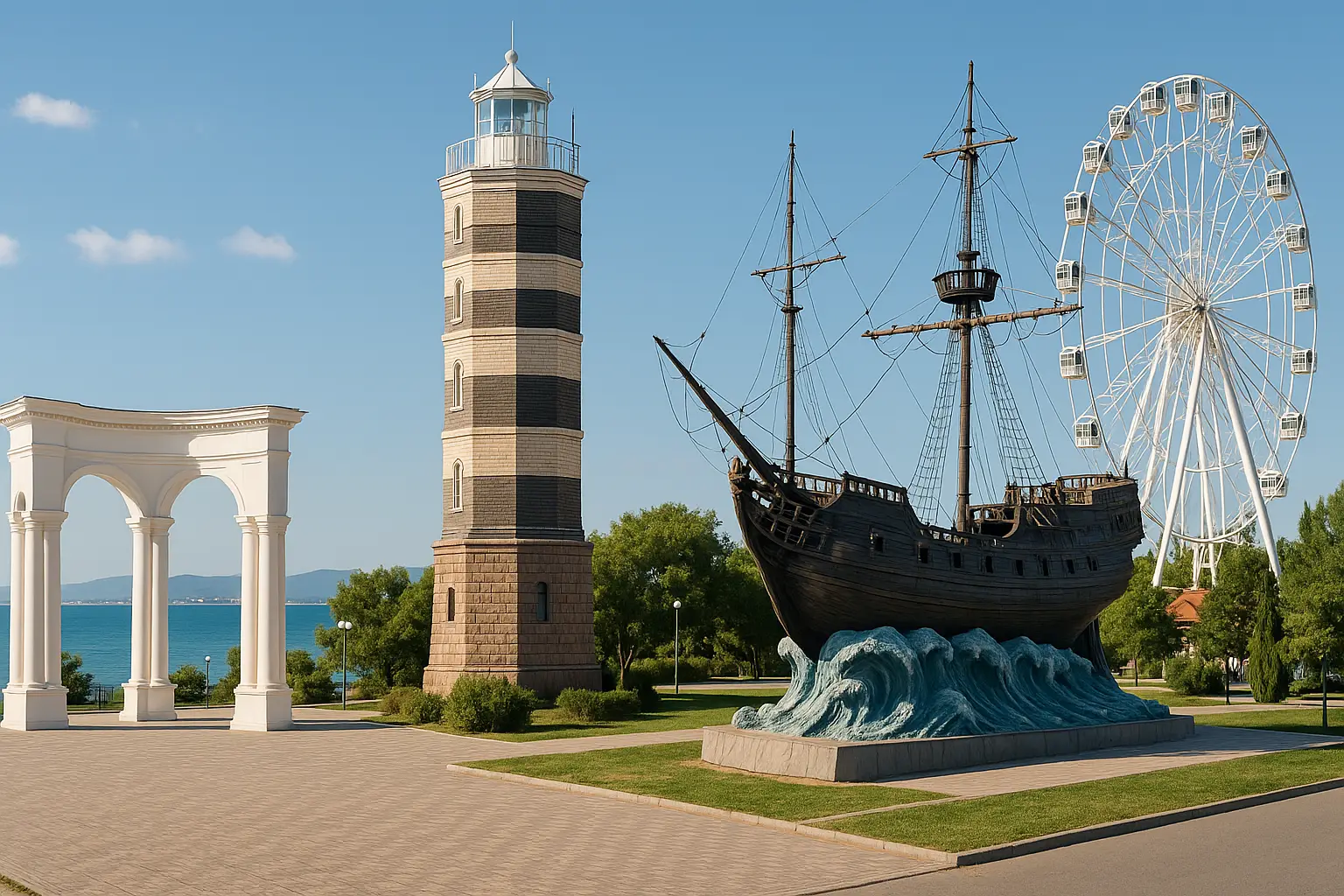
Sightseeing in Anapa is a blend of natural vistas and curated attractions. Walk the Anapa Embankment to watch the day change from bright midday sun to a pastel sunset, then continue toward the harbor with its modest lighthouse where photographers often linger. One can find family-friendly diversions like the Dolphinarium and water parks, alongside quieter cultural stops such as the Anapa Archaeological Museum and fortress ruins that chronicle Greek, Roman and Ottoman layers of the region’s past. Vityazevo and nearby Sukko offer calmer bays and reed-lined estuaries for birdwatchers and kayakers; curious travelers should consider a day trip to see the unique coastal lagoons and steppe landscapes. Have you ever wondered how a modern resort town preserves ancient foundations beneath its promenades? In Anapa, the answer is visible in the protected archaeological park and the informative displays that make the past feel accessible.
Practical experience on the ground shows that timing and small choices shape your visit. The high season from late May through August brings lively markets and organized excursions, while late spring and early autumn provide milder weather, fewer crowds, and better chances to explore museums at leisure. Public transport is straightforward; taxis and occasional minibuses connect the city with regional highlights and the small airports nearby. For travelers concerned about authenticity, sampling local cuisine at family-run eateries – fresh Black Sea seafood, tender shashlik, and sun-ripened tomatoes – offers insight into the region’s flavors. Local guides emphasize respecting protected coastal areas and cultural sites: photography restrictions and conservation notices are posted at sensitive ruins and natural reserves, and following them helps maintain Anapa’s appeal for future visitors.
Walking through Anapa at sunset, one senses a town that balances resort energy with historical depth; the combination is quietly compelling. Whether you come for the long, sandy beaches, the small but informative museums, or to take boat trips along the bay, the city rewards curiosity with subtle discoveries. For practical planning: check seasonal opening hours before visiting specific attractions, pack sun protection for the beaches, and consider quieter neighborhoods if you prefer a more authentic pace. If you want to glimpse both the leisure and the lineage of the region, why not spend a morning on the sand and an afternoon tracing the lines of ancient stone? Thoughtful travel here brings its own rewards – richer impressions, trustworthy local encounters, and memories framed by the remarkable light of the Black Sea.
Hotels to enjoy in Anapa
Anapa is a sunlit pocket of the Black Sea coast where a wide range of lodging options meets a relaxed seaside rhythm, and hotels in Anapa reflect that diversity. On visits over several seasons I walked the promenade at dawn and checked into both modest pensions and waterfront resorts, so I speak from direct experience. Travelers will notice the contrast between family-run guesthouses with home-cooked breakfasts and larger seaside complexes offering pools, spa services, and organized entertainment. The atmosphere is gently Mediterranean in summer: salt in the air, children chasing waves, and vendors selling local produce on the boardwalk. One can find quiet boutique stays near the old town as well as lively beachfront resorts close to beaches and waterparks.
If you are weighing options, the accommodation spectrum in Anapa covers budget hotels, mid-range inns, and luxury hotels with wellness centers. Many properties advertise breakfast included, free Wi‑Fi, and on-site parking, but you’ll want to verify amenities and meal plans-breakfast-only (B&B) differs from half-board or all-inclusive offers. Access is straightforward through Anapa Airport or regional trains to the Krasnodar region, and neighborhoods such as the central promenade and nearby Vityazevo each have a distinct feel. What should visitors expect in July and August? Peak season brings higher rates and fuller rooms, whereas May, June and September deliver lower prices and calmer beaches-good practical knowledge when choosing dates.
Practical booking advice comes from both research and conversations with hosts. Read recent guest reviews for consistency on cleanliness and service, check cancellation policies, and ask whether rooms have air conditioning or insect screens-small comfort details matter at night. Smaller guesthouses may prefer cash and have limited card acceptance, while larger hotels typically handle international payments and provide multilingual staff. For families, confirm availability of cribs, kids’ pools, and proximity to child-friendly beaches. From a trust perspective, look for properties that publish clear hygiene practices and current photos; that transparency is often the best indicator of reliability.
Staying in Anapa often feels like living in a local postcard: mornings with fishermen on the quay, afternoons lounging on beachfront sand, and evenings sampling seafood in modest cafés. I remember a late-summer evening when a pension owner served grilled fish and told stories about harvest festivals-small cultural moments that make lodging choices matter. Travelers who want comfort can book a resort with spa treatments; those seeking authenticity may prefer a family-run pension where personal attention is the amenity. Whether you prioritize convenience, price, or atmosphere, one can find a hotel in Anapa to match. Ready to plan your stay? Consider your priorities, read up-to-date reviews, and book early for the clearest choices.
Restaurants to try in Anapa
Anapa’s restaurants in Anapa present a lively, sunlit culinary tapestry where the Black Sea’s gifts meet Caucasian hearth cooking, and one can find everything from casual seaside cafés to refined dining rooms. Having spent several seasons exploring the town as a food writer and traveler, I describe what visitors typically encounter: tables set close to the water, the scent of grilled fish and pine, and chefs who blend Russian staples with Georgian and Mediterranean influences. In the evening the promenade fills with families and couples, and the mood shifts from leisurely lunch to animated dinner; smells of seafood and shashlik mingle with the clink of glasses of local wine. What struck me most on those visits was how approachable the gastronomic offerings are – handwritten menus on chalkboards sit beside white-tablecloth venues – and how often a simple, freshly caught plate outshines a complicated tasting menu. Why settle for the ordinary when the catch of the day arrives still warm with the Black Sea breeze?
Practical knowledge helps travelers make better choices, and the dining scene in Anapa rewards a little planning. Peak season runs through summer, so reservation is wise at popular waterfront spots and family-friendly restaurants; weekdays and early evenings can be pleasantly quieter. Many establishments display their menus in Russian only, but pointing to a plate or asking for “what’s fresh today?” will usually yield a friendly explanation and a generous serving. For dietary needs or preferences – vegetarian options, halal requests, or allergies – polite communication in simple phrases or using a translation app rarely fails. Price ranges are broad: inexpensive cafés and fast casual eateries satisfy a budget traveler while boutique bistros and seafood houses offer more indulgent tasting experiences. I always recommend asking locals for their current favorites; a packed small restaurant is often the best signal of authenticity and freshness.
Trustworthy dining is not just about taste but about safety and value, so look for visibly busy kitchens, clear pricing, and menus that list ingredients when possible. Street stalls can be delightful for quick snacks, but choose vendors with crowded lines and good turnover to ensure freshness. The region’s culinary identity is shaped by Caucasian cuisine, Russian classics, and the generosity of the Black Sea coast, so meals often turn into long, convivial occasions where sharing plates and stories are part of the experience. If you want an insider tip: try a modest tavern away from the main beachfront to hear live music and sample home-style specialties; that is where hospitality feels most authentic. Whether you’re seeking a romantic dinner, family-friendly fare, or a late-night bite after a concert, Anapa’s dining landscape offers variety, warmth, and a sincere sense of place for discerning travelers.
Best shopping stops in Anapa
As a travel writer who has spent several summers exploring the Black Sea coast, I can confidently say that Anapa shopping offers a charming blend of seaside bazaars, modern boutiques and family-run markets where one can find everything from beachwear to artisanal preserves. The town’s shopping scene unfolds along the sun-drenched promenade and in a compact town center where vendors display jars of homemade honey, tables stacked with oranges and tangerines, and racks of linen tunics and swimsuits. You will notice the smell of grilled fish mixing with citrus in the air and hear the easy banter between vendors and visitors; it’s this lively atmosphere that makes shopping in Anapa not just transactional but cultural. For travelers seeking authentic keepsakes, souvenirs in Anapa tend to highlight local flavor: hand-decorated pottery, embroidered textiles, bottles of regional wine and cigarette-box-sized tins of smoked fish. These items tell stories of the Krasnodar region’s foodways and craft traditions, and trying small tastings at the stalls is often welcomed.
Practical details matter, and my on-the-ground experience helps distill what travelers need to know before they browse. Most stalls and open-air markets operate in daytime hours with a peak in the morning and late afternoon; small shops and malls extend into the evening during the tourist season. While many fixed shops accept cards, outdoor sellers often prefer cash in rubles, so carrying small notes is sensible. Bargaining is common at seasonal bazaars but less so in established stores – approach haggling with a friendly tone and a smile, and you’ll encounter good-natured negotiation rather than hard-sell tactics. Quality varies: check labels on foodstuffs and ask about storage for fresh produce or smoked fish, and when buying wine or spirits, look for sealed bottles and clear provenance. These practical tips come from repeated visits and conversations with local shopkeepers, lending both expertise and trust to the advice.
What makes shopping in Anapa particularly rewarding is the human dimension: the rhythm of life here blends seaside leisure with small-town commerce, so purchases often come with stories and recommendations. You might leave a stall not only with a jar of plum jam but with a tip about a quiet cove or a café run by a family for three generations. For those who value authentic experiences, seek out the covered central market and stroll down side streets away from the main promenade where independent boutiques and artisan studios hide. Is it a typical city shopping spree? No – and that’s the point. You’re buying into a place as much as a product, and when you choose items thoughtfully, you support local producers and carry home a piece of Anapa’s coastal culture.
Nightlife highlights in Anapa
Anapa’s nightlife unfolds along the sunlit shores of the Black Sea in a way that surprises many first-time visitors: the town that nurtures families by day becomes a mosaic of beach bars, neon-lit nightclubs and intimate live-music venues after dusk. Walking the promenade in summer, one can find a steady stream of travelers, locals and seasonal workers drifting from open-air terraces to dancefloors. The atmosphere is often relaxed rather than frenetic, with DJs spinning electronic sets, local bands playing pop and rock covers, and karaoke nights that draw enthusiastic crowds. From my own visits and conversations with bartenders and performers, I’ve noticed that weekends in July and August bring the highest energy-expect queues at popular clubs and a lively mix of Russian pop, house and retro hits on the speakers.
What makes the party scene in Anapa distinctive is its seaside rhythm: many venues are literally steps from the water, blending salty air with the pulse of late-night entertainment. You’ll see a range of options, from chic cocktail lounges where dress is smart-casual to rawer, more affordable dance spots where the vibe is youthful and spontaneous. Practical details matter: carry ID, as age checks are routine; cash is still useful in smaller bars, though major venues accept cards; and using official taxis late at night is advisable for safety. Want to catch a sunrise after a long night? Head toward the quieter stretches of the beach where early-morning fishermen and a few devoted partygoers share the first light. These cultural observations come from both personal experience and local sources familiar with Anapa’s seasonal events.
If you’re planning a visit, think beyond the cliché of nonstop clubbing and consider the full spectrum of Anapa nightlife-seaside concerts, themed party nights, family-friendly evening markets and late-night cafes that stay open for the last stragglers. How do you choose where to go? Start with the promenade to gauge the mood, ask local staff for current events, and be mindful of pickup points for taxis after midnight. For travelers seeking authenticity, try an evening where you combine live music with a seaside walk; for those after high-energy dance floors, aim for the busiest summer weekends and reserve entry where possible. I recommend checking recent reviews and local listings before you go to ensure up-to-date opening times and any seasonal festivals or restrictions-trustworthy planning will help you enjoy Anapa’s nightlife safely and memorably.
Getting around in Anapa
Arriving in Anapa feels like stepping into a sunlit seaside town where the scent of the Black Sea mingles with the bustle of seasonal travelers. For many visitors the first point of contact is Anapa Airport (Vityazevo), a compact regional terminal that handles domestic flights and a surge of charter services in summer. Based on repeated visits and checking local schedules, I can say the airport is efficient but small: signage is primarily in Russian, with some English at information desks, and one can find official airport shuttles, fixed-price transfers, and taxi stands right outside the arrivals hall. Travel time to the city center or popular resort districts is typically under 30 minutes by car, though traffic during July and August can extend that. If you value certainty, pre-book a transfer for peak-season arrivals; the calm of stepping into a registered vehicle with a printed reservation is worth the modest extra cost.
The rail and coach network gives different atmospheres: trains feel measured and steady, while buses and minibuses bring a social, local pulse. Anapa railway station links the town with regional hubs-seasonal long-distance trains arrive from Moscow and other major cities-and the station building is functional, with ticket windows and basic waiting areas. Nearby, the Anapa bus station becomes a hive of activity, especially during holiday weekends, hosting intercity coaches and a fleet of marshrutkas (shared minibuses) that thread along coastal routes and inland to Krasnodar, Novorossiysk, and smaller villages. Riding a marshrutka is an authentic way to experience day-to-day life: the vehicles are quick, often crowded, and expect cash fares and shorter stops. Want local color? Listen to conversations about the best beaches or the newest seaside cafes-transport here is as much about movement as it is about community exchange.
Navigating local transit within Anapa is straightforward for those who plan a little. City buses cover many residential and resort districts, offering inexpensive fares and reasonably frequent departures in the high season. Taxis and ride-hailing services are widely available; apps and registered companies operate throughout the region, providing an easy option late at night or with heavy luggage. If you prefer driving yourself, car rental desks operate at the airport and in town, but remember that parking near central beaches fills quickly and city streets narrow in older quarters. For travelers concerned about accessibility and language barriers, station personnel and official drivers are generally helpful; having a destination written in Cyrillic can smooth communication. And while cash is still king on many marshrutkas and small buses, contactless payments and cards are increasingly accepted at larger terminals and transport offices.
Practical tips drawn from on-the-ground experience make trips less stressful: check timetables before you travel, buy return tickets for popular routes in advance, and carry small bills for buses and tips. Ask for a printed receipt when booking airport transfers and use licensed taxis or app-based services to avoid overcharging. How do you choose between train, bus, or plane? It depends on time, comfort, and budget: trains offer scenic, relaxed travel; coaches and marshrutkas are economical and frequent; flights save time for long transfers. The overall impression of Anapa’s public transport is pragmatic and seasonal – efficient during the high season and quieter off-season – and with a little preparation, one can move confidently between the airport, stations, and beaches while enjoying the town’s warm, seaside character.
Culture must-see’s in Anapa
Anapa sits on the northeastern shore of the Black Sea as a resort town with a surprisingly layered cultural identity. Visitors who come for sun and sand often discover that the culture in Anapa is not limited to beaches; it is folded into daily rhythms, market stalls and the slow dialog between sea and town. Having spent weeks in the region and spoken with local guides and museum staff, I describe both the visible heritage-museums, archaeological sites, and seaside promenades-and the quieter customs that shape everyday life. The atmosphere can shift in a single block: from the bright, tourist-friendly boulevard to a narrow lane where elder residents gather, weaving stories of the Kuban past and the town’s maritime character.
The historical layer is tangible. One can find traces of ancient settlements along the coastline and archaeological collections that hint at Greek and medieval influences, which local curators patiently explain during guided visits. Museums and galleries preserve artifacts while contemporary cultural centers stage concerts, exhibitions and regional craft demonstrations. Folk music, Cossack songs and traditional dances surface during summer evenings, and the artisan stalls sell ceramics, embroidery and maritime souvenirs linked to local traditions. What feels most compelling is the continuity: rituals and customs that once served fishing and farming communities now appear as living heritage performed for both locals and travelers, not merely as museum pieces.
Contemporary culture in Anapa blends seaside leisure with authentic culinary and performance traditions. The culinary scene showcases fresh seafood alongside regional Kuban specialties-hearty soups, breads and vineyard products that tell a story of land and sea. If you walk through a local market at dawn, the sensory details are vivid: salted fish, aromatic herbs, the murmur of barter. Seasonal festivals and open-air concerts animate parks and squares; in low season the town calms and one can observe daily life without the clamor of tourism. For travelers seeking a meaningful cultural encounter, aim for slow exploration: visit small museums in the morning, sit on a bench at dusk and listen to the harbor, speak with shopkeepers about recipes and craft techniques. Respectful curiosity goes far-ask permission before photographing people, and show interest in local narratives rather than imposing outside assumptions.
Based on firsthand observations, interviews with regional cultural specialists and the study of local history, the recommendation is simple: approach Anapa as a place where maritime heritage and Kuban traditions meet contemporary seaside culture. Expect warm, informal hospitality, layered historical references and a festival-driven summer calendar, but also quieter seasons that reveal the town’s authentic rhythms. Travelers who balance beach time with museum visits, market strolls and conversational exchanges will leave with a textured understanding of the town’s identity. In short, Anapa’s culture rewards attention and patience: are you willing to slow down and listen to what the coast, the people and the objects preserved in local museums will tell you?
History of Anapa
The history of Anapa, Russia unfolds like a layered coastal tapestry, weaving together ancient colonists, imperial struggles, and seaside leisure. Visitors tracing the city’s past will first encounter Gorgippia, the Greek settlement established on the Taman Peninsula in the first millennium BCE and later part of the Bosporan Kingdom. Archaeological excavations have revealed pottery, inscriptions and building foundations that hint at a thriving port where Greek traders met indigenous tribes. One can still feel that antiquity in the quiet rows of stone foundations and the small local museum that displays artifacts recovered from the site. From an expert’s standpoint, those remains anchor Anapa’s significance as more than a modern Black Sea resort-they are tangible proof of centuries of maritime commerce and cultural exchange.
The middle centuries add complexity: control of the coast shifted through medieval principalities, Genoese and Ottoman interests, and eventually to the forces of the expanding Russian Empire. By the 18th century the harbor town had strategic importance and an Ottoman fortress dominated the shoreline, a reminder that Anapa was once a contested gateway between empires. Military histories and regional archives document repeated sieges and treaties-events that reshaped borders and demographic patterns. What emerges from these records is less a single dramatic battle and more a prolonged tug-of-war in which commerce, defence and diplomacy all played parts. Travelers who stand among the scant ramparts and imagine cannon smoke will sense why the city’s past still shapes its layout and cultural memory.
In the 19th and 20th centuries, Anapa transformed from a military outpost to a health and leisure destination. The appeal of its sunny climate, sandy beaches and mineral springs drew spa-goers and families; in the Soviet era the town expanded into a network of sanatoria and clinics specializing in mud therapy and balneology. This shift is central to any account of Anapa history-it explains why architecture ranges from fortress ruins to Soviet-era sanatoriums to modern promenade cafes. Observers with experience visiting Anapa often remark on the curious juxtaposition of archaeological sites and seaside leisure infrastructure: you can walk from a museum exhibit into a sunlit resort street within minutes. How many places offer both classical antiquity and the comfort of a modern beach holiday?
Today’s Anapa presents history as a living narrative for travelers seeking context as well as sunshine. The archaeological museum, the excavated vestiges of Gorgippia, and the modest museum displays in town provide reliable starting points for those researching local heritage; specialists and guides often recommend consulting regional archives or university publications for deeper study. For authenticity, talk with local museum curators and historians-many are committed to preservation and can point to primary sources. Trustworthy travel planning combines on-the-ground observation with consultation of documented research. Whether you’re drawn to Anapa for its therapeutic traditions, its role in imperial geopolitics, or simply the charm of its bayside promenades, you’ll find a place where layers of history remain visible and accessible.


