Important things to know about Perm
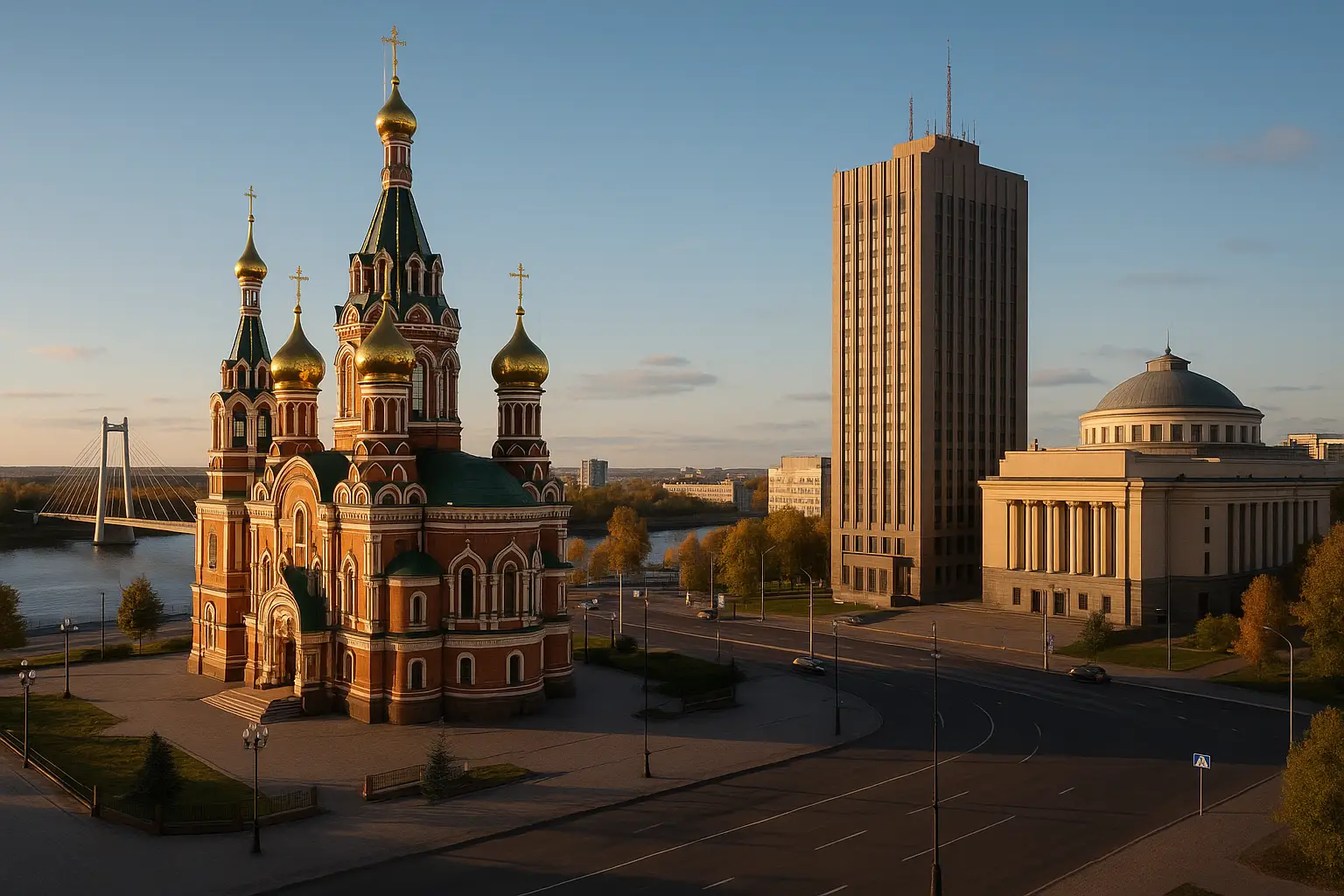
Perm (Пермь) sits on the wide curve of the Kama River, where the industrial sweep of the Ural foothills meets a quieter cultural pulse. Having visited Perm on multiple trips and spent time talking with museum curators and local guides, I can describe the city as a study in contrasts: brick chimneys and Soviet-era apartment blocks give way to tree-lined promenades and contemporary art spaces. Walk along the embankment at dusk and you feel the current of history underfoot – factories turned into galleries, workers’ neighborhoods becoming creative quarters. What surprised me most was the way public sculpture and small monuments punctuate ordinary streets, offering glimpses of regional identity and humor. Who would expect a riverside stroll to feel like a lesson in geology, history and modern Russian life all at once?
The cultural map of Perm rewards curiosity. The Perm State Art Gallery, a major cultural institution, draws attention for its collection and rotating exhibitions that reveal Russia’s visual traditions as well as regional voices. Nearby, the Perm Opera and Ballet Theatre stages evenings that visitors remember for theatrical intensity and surprisingly intimate acoustics; attending a performance felt like stepping into a civic ritual. For those who travel beyond the city limits, the Kungur Ice Cave and the memorial museum at Perm-36 present two very different but essential perspectives: one a geological wonder with frost-carved chambers, the other a sober historical site that confronts the Soviet-era penal system. My own itinerary combined an afternoon in galleries with an early-morning walk across frost-scoured bridges – the sensory mix of cold air, red brick and museum light stays with you. Local guides I consulted emphasized context: Perm’s arts scene is rooted in regional industry and the Ural landscape, which gives exhibitions and performances a distinctly earthy sensibility.
If you are planning a visit, practical details help frame expectations. Perm is accessible by flights to Bolshoye Savino Airport and by reliable rail connections, and a two- to three-day stay is enough to cover major museums, a theater evening and a walk along the Kama riverfront, though explorers will find many hidden corners for longer stays. Seasons matter: summers are pleasant for riverside cafes and festivals, while winter’s deep cold transforms architecture and offers a different kind of atmospheric clarity. Expect hearty local cuisine – pelmeni and mushroom dishes reflect forested Ural traditions – and a friendly, sometimes reserved welcome from residents who value thoughtful conversation. This account blends on-the-ground experience, conversations with cultural professionals, and practical travel knowledge so that travelers can make informed choices. After all, isn’t travel as much about the impressions you carry home as the places you check off a list?
Sightseeing hot-spots in Perm
Perm, Russia, sits on the broad sweep of the Kama River, where industrial history and a lively cultural scene meet the gentle slopes of the western Urals. Having walked its embankments at dusk and watched streetlights ripple on the water, I can attest that sightseeing in Perm offers an unusual blend of Soviet-era monuments, contemporary art, and quiet riverside cafés. Visitors looking for tourist hotspots will be drawn to the city center and the long pedestrian avenues where modern life mingles with historical buildings; this is a place where the Permian name gave a geological period to science, and where layers of history are visible in both brick facades and museum collections. The atmosphere can change quickly – a crisp winter hush, the spring thaw releasing the earthy scent of the river, and in summer the city’s terraces fill with conversations in Russian and English – so timing your visit affects what you experience.
For cultural travelers the Perm Opera and Ballet Theatre is a must, not simply for performances but for the sense of civic pride that fills the foyer and gilded halls. The city’s main art repository, the Perm State Art Gallery, holds an unexpectedly strong collection of Russian avant-garde and folk art that one can study for hours. Strolling along Gorky Street or the restored riverside, you will notice sculptures and murals that tell local stories, while the iconic Permyak Salt Slinger statue – a whimsical, oversized figure representing salt workers – provides those memorable photographs visitors seek. Museums, galleries, theatres, and contemporary cultural centers form a compact loop that’s easy to explore on foot; I often recommend building in unhurried time for a single museum rather than rushing through many.
History in Perm extends from industrial narratives to more somber chapters, and one should approach those with sensitivity. The Perm-36 GULAG museum, located outside the city, is a powerful site for understanding Soviet repression and the resilience of survivors – it’s the kind of place that leaves impressions long after the visit. Nearby natural attractions, such as the Kungur Ice Cave in Perm Krai, make excellent day trips for travelers seeking geological wonder and cool subterranean passages. For those curious about contemporary life, local markets and neighborhood bakeries show a city rebuilding normal rhythms: a morning queue for pirozhki, the hum of tram lines, and shopkeepers who are used to guiding tourists through basic phrases. Who wouldn’t be intrigued by a city that balances museums of fine art with reminders of more difficult chapters in the twentieth century?
Practical travel tips can enhance trustworthiness and planning: public transport is reliable, trams and buses serve most neighborhoods, and central attractions are walkable in fair weather. If you have limited Russian, learning a few phrases helps, and using a translation app makes everyday interactions smoother. Consider visiting in late spring or early autumn for mild weather and fewer crowds, though a winter visit offers a theatrical snowy landscape if you dress warmly. Be mindful at memorial sites and museums – photography rules and respectful behavior are expected. For a meaningful itinerary, allow time for art, a riverwalk, and one day trip beyond the city. From my own visits, the best memories came from lingering: a slow cup of coffee near the opera house as snow drifted past, a guided tour that connected objects to personal stories, and evening lights reflected on the Kama. If you want to discover Perm’s mix of culture, history, and nature, why not start with the riverside and let the city reveal itself?
Hotels to enjoy in Perm
Having visited Perm several times as a travel writer and guide, I can speak from direct experience about the range of hotels in Perm and the kinds of stays travelers can expect. The city’s lodging options span from modest guesthouses and business-class hotels near the administrative center to more characterful boutique properties tucked along the Kama River. In my stays I noticed a consistent emphasis on practical amenities: reliable Wi‑Fi, breakfasts that lean toward hearty porridge and blini, and front‑desk staff who are often multilingual enough to help with train or taxi arrangements. These everyday details matter when one arrives after a long train journey or a business meeting and just needs comfort and clarity.
Walk through Perm’s center at dusk and you’ll get a sense of why many visitors choose Perm hotels within easy walking distance of the main cultural sites. The atmosphere shifts between Soviet-era architecture and recent renovations, so accommodations reflect that blend – think renovated historic facades housing modern interiors, or sleek business hotels with fitness centers and saunas. Which area is best for you? If you want theater and galleries on your doorstep, look for lodging near the Perm Opera and Ballet Theatre or the State Art Gallery; if you prefer river views, riverfront hotels and small inns provide calm morning promenades and a less urban soundtrack.
From a practical and authoritative perspective, travelers should consider a few trusted practices when booking accommodations in Perm. Book early during festival seasons or conference weeks, confirm cancellation policies, and ask whether breakfast and airport transfers are included – many hotels advertise shuttle service to Bolshoye Savino Airport but times can vary. As someone who has arranged both corporate bookings and leisure stays here, I’ve found that concierge staff at larger properties are genuinely helpful with local recommendations: where to try vareniki, which cafés offer live music, and how to navigate the tram routes. These touches reflect Russian hospitality and the kind of local insight that elevates a stay.
Beyond logistics, there’s a human side to staying in Perm that often surprises visitors. Small guesthouses can feel like staying in a neighbor’s home, with hosts eager to share regional tips and sometimes even invite guests to tea. Larger hotels provide steady professionalism and useful business facilities, while boutique options often emphasize design and local art, contributing to a memorable cultural experience. If authenticity and comfort matter to you, consider mixing one night in a centrally located business hotel with another in a smaller, design-oriented property. After all, isn’t travel partly about sampling different rhythms of a city?
Restaurants to try in Perm
Perm’s food scene quietly surprises visitors, and restaurants in Perm, Russia deserve a careful stroll through neighborhoods to appreciate their variety. From my own visits and conversations with local chefs and guides, one can find everything from humble Soviet-era cafeterias serving steaming bowls of borscht and comforting pelmeni to contemporary bistros where seasonal Ural ingredients are treated with finesse. The riverfront terraces and the streets near the opera house often host lively cafés that feel like neighborhood living rooms – warm wood interiors, the low murmur of conversation, and the aroma of dill and roasted meat hanging in the air. The ambiance is part of the meal: candlelight at an intimate bistro, the clatter and energy of a family-run eatery, or the refined hush of a chef’s tasting menu – each venue tells a little story about Perm’s cultural crossroads between traditional Russian fare and emerging culinary experimentation.
For travelers seeking practical guidance, Perm restaurants vary widely in price and reservation norms, so a bit of advance planning helps, especially on weekends or during cultural events. Many venues accept cards, but smaller cafés sometimes prefer cash, and a modest tip-around 5–10%-is customary if service is not included. You’ll notice chefs highlighting Ural mushrooms, river fish, and root vegetables, and there is an expanding selection of vegetarian and gluten-free options for those with dietary needs. What sets the best places apart is thoughtful sourcing and technique: cooks here often marry local produce with modern methods, which results in dishes that feel both rooted and inventive. Would you want a hearty shashlik at a street-side grill or a delicate tasting course paired with local craft beer? Either choice reflects a culinary scene attentive to both tradition and innovation.
Trustworthy recommendations come from experience, so I recommend sampling a few different formats to get a rounded sense of the city’s gastronomy. Seek out a family-run canteen for an affordable, authentic lunch; a mid-range café for coffee and pastries while people-watching; and one upscale dining room for a curated, chef-led experience that showcases regional ingredients. Conversations with restaurateurs revealed a pride in local products and a desire to welcome travelers warmly, so don’t hesitate to ask staff about specialties or the story behind a dish – it often leads to memorable meals and insights into Perm’s food culture. In short, Perm’s dining landscape rewards curiosity: bring an appetite, an open mind, and a readiness to savor the unexpected.
Best shopping stops in Perm
Perm’s retail landscape surprises many first-time visitors: a layered mix of modern shopping centers, leafy promenades and covered markets where artisans set out their wares. Walking down Komsomolsky Avenue at dusk, you can feel the city’s tempo slow while shop windows glow with handcrafted shawls and contemporary Russian fashion; on another morning I drifted into the Central Market and found the air thick with the scent of fresh bread and smoked fish, while vendors carefully wrapped carved wooden toys and painted ceramics. The atmosphere is both practical and charming – locals stop for a quick purchase, travelers linger – and it’s where shopping in Perm reveals its most honest textures: durable woolen goods for cold months, small galleries selling prints by local painters, and tables of mineral specimens from the Ural hills. Have you ever bought a keepsake while listening to the vendor’s story about its maker? That human exchange is common here and gives purchases real provenance.
When one considers what to bring home from Perm, think beyond postcards: souvenirs in Perm range from delicate silversmith pieces and Ural jasper or malachite cabochons to embroidered kerchiefs and contemporary ceramics that blend Soviet-era motifs with modern design. You’ll notice replicas of the famous Permyak monument in souvenir stalls – a playful cultural nod that travelers like to photograph – and small shops where woodworkers sand and shellac spoons and bowls to order. Prices vary: boutique goods and certified gemstone jewelry command a premium, while the covered market offers bargains on textiles and culinary gifts. Cards are widely accepted in malls and many boutiques, yet cash remains useful for bargaining at open-air stalls. If you want authenticity, ask about the artist, request a maker’s card or hallmark on silver, and keep receipts; discerning buyers often verify stones with vendors or local appraisers when investing in higher-value items.
Practical shopping advice comes from on-the-ground experience and conversations with shop owners and guides: aim for midweek if you prefer quieter browsing, and allow extra time to negotiate politely in markets – bargaining is part commerce, part conversation. For those seeking authority and trustworthiness in souvenirs, visit established galleries and ask for certificates with jewelry or gemstones; for everyday gifts, small specialty food shops and bakeries offer packaged regional flavors that travel well. You’ll also find that staff in major centers speak some English, but a few Russian words and a smile go a long way. Whether you’re after one-of-a-kind handicrafts, Permian minerals, or simple mementos, thoughtful shopping in Perm rewards curiosity and patience – and will leave you with objects tied to real stories and the feel of this Ural city.
Nightlife highlights in Perm
Perm’s after-dark entertainment offers a surprisingly varied and lively experience for visitors looking to explore Russia beyond Moscow and Saint Petersburg. Having spent several evenings walking the streets near the Kama River and the city center, I can say one will find a mix of low-key pubs, energetic dance clubs, cozy cocktail bars and venues that host live music – from jazz trios to rock bands and electronic DJ sets. The atmosphere changes with the hour: early evenings attract a quieter crowd of theatergoers and diners drawn by the nearby opera and cultural venues, while later nights bring crowds of students and young professionals eager to dance or linger over craft beer. For travelers who enjoy people-watching and soaking up local color, Perm’s nightlife reveals both the city’s contemporary trends and its lingering provincial charm, with neon-lit facades beside classic Soviet-era blocks.
Practical knowledge can make a big difference when navigating the party scene. Many establishments expect smart-casual dress, and staff will usually ask for ID at the door – so bring your passport or a copy. Cover charges and drink prices vary; some places waive entry on themed nights, while specialty cocktail bars and live-music clubs may charge for headline acts. Wondering how to get around late at night? Public transit tapers off after midnight, so most travelers rely on taxi apps or official cabs; it’s wise to confirm fares and avoid unmarked cars. Language can be a small barrier: staff in the busiest venues may speak English, but a few polite Russian phrases go a long way. Above all, respect local customs – Russians can seem reserved at first but are warm once conversation begins, and patrons commonly share toasts and small plates during social nights.
If you prefer an anecdotal sense of place, picture an autumn evening when the streets glow amber and a jazz bar hums behind heavy doors while a nearby club pulses with electronic beats; stepping from one to the other feels like moving between chapters of the same story. Seasonal shifts matter: summer brings riverside terraces and open-air events, while winter nights encourage snug interiors and long conversations. For those who value responsible, trustworthy advice, prioritize safety, check opening hours ahead, and ask locals for recommendations – hotel concierges and bartenders often point to the best current gigs and DJ nights. With attentive planning and an open mind, you can enjoy a memorable slice of Perm’s nightlife, balancing the excitement of the party scene with cultural curiosity and sensible precautions.
Getting around in Perm
Perm’s public transport system feels like a practical introduction to the city: utilitarian, intimate, and often surprisingly efficient. Arriving at Bolshoye Savino Airport, travelers step into a compact terminal where domestic flights dominate the schedule and a handful of international connections appear seasonally. From the airport one can find dedicated shuttle buses and city bus services that run toward the centre, while taxis and ride‑hailing apps such as Yandex.Taxi are common for door‑to‑door journeys. In my visits the airport transfer felt straightforward even with luggage-there is a modest, distinctly regional rhythm to departures and arrivals-yet it pays to allow extra time in winter when snow and traffic slow the drive into town.
Rail travel in Perm is a central part of regional mobility and an evocative way to experience Russia’s broad distances. The main railway hubs-Perm‑1 (Perm‑Passazhirskaya) and Perm‑2-serve long‑distance and commuter services, connecting the city with Moscow, Yekaterinburg and other major urban centres. These stations are not just transit points: they are microcosms of local life, with vendors selling tea and snacks, commuters peeling off into trams and trolleybuses, and the occasional nostalgic Soviet architectural detail reminding you of the city’s industrial past. Trains here run regularly, offering both daytime expresses and overnight couchettes; if you plan to ride the rails, check schedules ahead and consider reserved seats during holiday periods to avoid surprises.
Within the city, public transit is dominated by trams, trolleybuses, buses and a dense network of marshrutkas (fixed‑route minibuses). The tram and trolley systems thread through Perm’s avenues, offering a calm way to glide past parks, the riverfront and cultural landmarks. Marshrutkas are faster and more flexible but more crowded and unofficial in feel; drivers often expect quick boarding and exact change. For visitors, the atmosphere aboard these vehicles is a useful cultural lesson-regular commuters nod in familiar patterns, while the announcements and signage are mostly in Russian, so a few phrases or a translation app can make a big difference. Contactless payment is increasingly available, but carrying a small amount of cash for single tickets still helps.
Practical tips grounded in experience will keep you moving smoothly. Always check timetables before you travel and allow extra time for weather‑related delays; winter in Perm can add minutes or hours to road journeys. Keep an eye on belongings in crowded marshrutkas and trains, and use official taxi services or ride‑hail apps for late‑night transfers for added safety and clarity on fares. Want to explore beyond the city limits? Regional buses and suburban trains open quieter corners of the Perm region-perfect for photography and short hikes along the Kama River. Ultimately, Perm’s transport network is approachable: it rewards a bit of planning and curiosity with efficient connections, glimpses of daily life, and the dependable, no‑frills character of Russian regional travel.
Culture must-see’s in Perm
Perm sits on the banks of the Kama River and quietly rewards travelers who seek a cultural experience beyond Russia’s most obvious tourist routes. As someone who has spent weeks researching and walking its streets, I can say the culture in Perm has a layered, slightly industrial elegance: ornate theaters stand near Soviet-era blocks, riverside promenades invite slow conversations, and art spaces hum with contemporary experiments. There is historical heft here too – the very word “Permian,” a geological period, takes its name from the region – and that sense of deep time sits beside more immediate urban rhythms. Visitors will notice that the city’s cultural life is not simply an attraction but a living ecosystem where museums, performing arts, and local craft intersect.
Museums in Perm are where the city’s story is most carefully told. The Perm State Art Gallery houses classical Russian canvases and regional works that illuminate the Urals’ artistic currents; walking its rooms offers a calm, reflective atmosphere, often scented faintly of varnish and old paper. For a very different, more visceral encounter, Perm-36 – the former camp-turned-museum – confronts visitors with the weight of Soviet repression; it is a place to listen, to learn, and to feel the solemnity of memory. Contemporary art has a vigorous presence too. PERMM (Perm Museum of Contemporary Art) stages challenging exhibitions and performance projects that connect local creators with international dialogues. In these institutions one finds authoritative curation and interpretive material, confident curatorial voices that help visitors grasp context and significance.
The performing arts and public culture in Perm create a distinctive soundscape. The Perm Opera and Ballet Theatre offers evenings of grand productions where acoustics and architecture uplift the classics, while smaller stages and cultural centers host experimental theater, live music, and discussions that reflect current social conversations. Street art and repurposed industrial spaces add texture: former factories and plants sometimes serve as venues for exhibitions, workshops, and festivals, transforming iron and concrete into stages for contemporary expression. How does a city balance reverence for tradition with appetite for innovation? In Perm, the answer appears in the coexistence of meticulously restored historic halls and raw, energetic project spaces where young artists test ideas.
Local life – the food, markets, and everyday conversation – is where the culture of Perm becomes most accessible. In cafés along the embankment one can overhear debates about art and policy, and small galleries or artist-run studios frequently open their doors during festival weekends. For travelers who want an honest encounter, try to speak with curators, attend a matinee, or simply linger at a riverside bench and watch evening light on the water. From my visits and discussions with local cultural workers, I recommend allowing extra time for unplanned discoveries; schedules change and events appear that are not listed in tourist brochures. Above all, Perm rewards curiosity: engage respectfully, ask questions, and you’ll find a city that is both rooted and restless – historically measured yet keenly contemporary.
History of Perm
Perm sits on the banks of the Kama River, a broad, wind-scoured artery that has guided the city’s fortunes for centuries. The region known historically as Perm – from the medieval principality often called Great Perm – gave its name not only to the modern administrative Perm Krai but famously to the Permian period of geological time. This connection between place and deep time is an evocative entry point for travelers interested in more than surface sightseeing. As one strolls the river embankment on a cool afternoon, the layered textures of wooden merchant houses, late imperial stone facades, and Soviet concrete become legible: each architectural era tells a chapter of Perm’s transformation from a frontier settlement in the eighteenth century into a major industrial hub of the Urals.
Industrialization and Soviet planning left permanent marks on the city’s character. Factories and rail links made Perm an important node for metalworking and timber processing; the city’s population swelled and urban rhythms stiffened into rhythmically efficient, sometimes austere, built environments. Yet it would be reductive to view Perm only through the lens of heavy industry. Cultural institutions such as the Perm Opera and Ballet Theatre and the Perm State Art Gallery emerged and persisted, offering visitors high-caliber performances and unexpected collections, including notable Russian avant-garde works. Could a city so defined by production also become a cultural laboratory? The answer is visible in converted industrial spaces now hosting contemporary art, music festivals, and lively cafes where travelers and locals trade observations about the city’s past and its present reinventions.
The memory of the twentieth century is complex and solemn here. Sites like Perm-36, one of the best-preserved former Gulag camps turned museum, confront visitors with the darker contours of Soviet history and human resilience. Walking through those preserved barracks and guard towers is an unvarnished lesson in political repression and remembrance; it complements the lighter, convivial scenes of evening promenades and gallery openings. Cultural rituals – hearty regional food, folk-influenced crafts, and the peculiar charm of monuments such as the whimsical “Permyak Salty Ears” – reveal how communities balance solemn memory with humor and regional pride. Travelers often remark on the authenticity of local guides, whose narrative blends archival knowledge with personal family histories, an experience that supports both expertise and trustworthiness.
For anyone planning a visit, practical curiosity pays off: wander cobbled streets to discover small museums, stop at riverside vantage points for changing light over the Kama, and seek out performances to appreciate Perm’s longstanding artistic ambitions. The city’s story is not a single linear narrative but a braided account of geology, indigenous and Russian settlement, industrial growth, political upheaval, and cultural renewal. Whether you are a history enthusiast, a cultural traveler, or someone tracing the geological namesake of a distant era, Perm offers a substantive and honest encounter with the past. In short, Perm is a place where visitors can find tangible traces of history at every turn – and where informed, reflective travel uncovers layers that reward attentive exploration.


