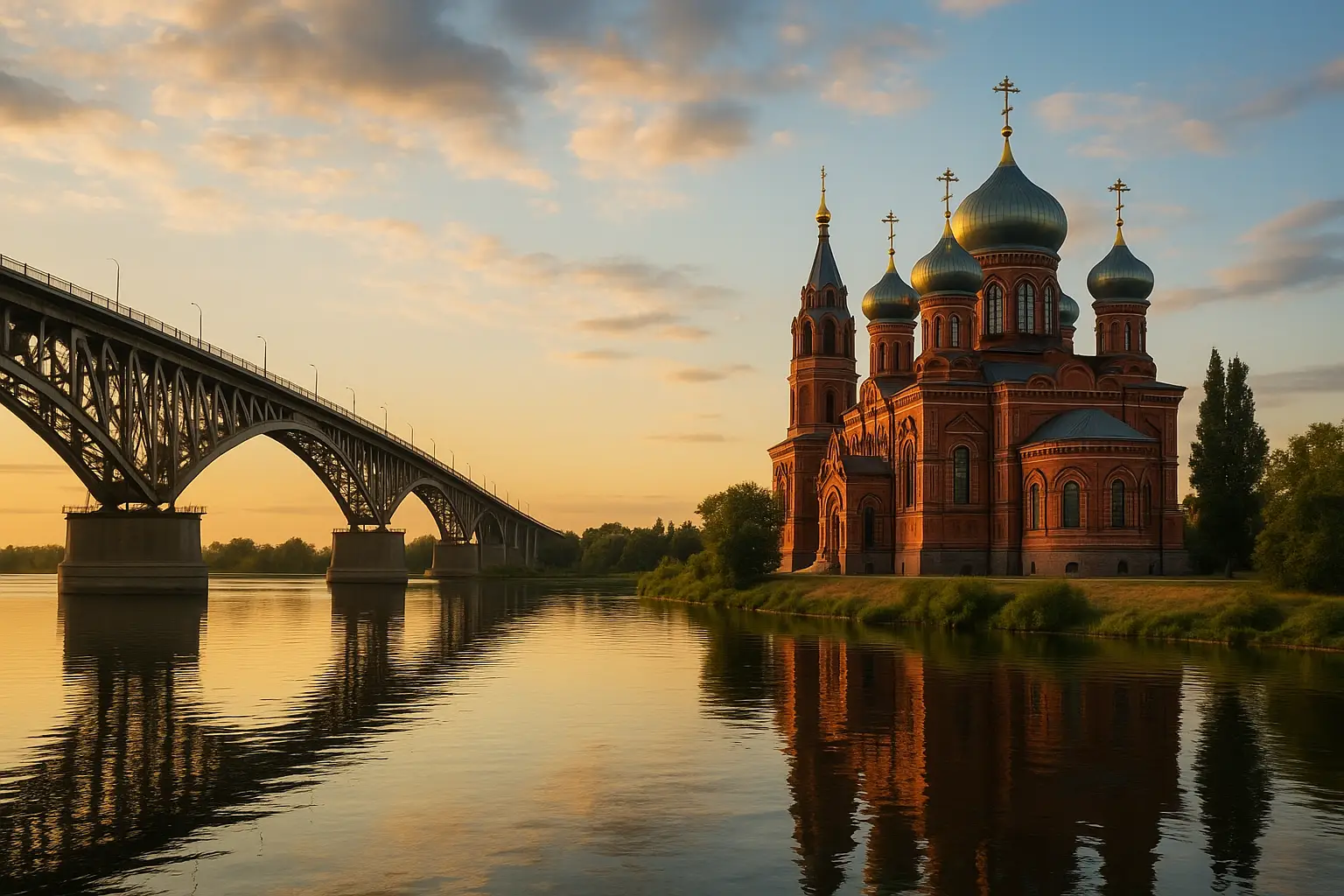
Important things to know about Tolyatti
Tolyatti (Тольятти) sits on a broad bend of the Volga River, a city whose industrial roots and riverside panoramas make it a distinctive stop in the Samara region. Founded as a riverside settlement and later transformed by mid‑20th century urban planning and the arrival of the auto industry, the place hums with a dual identity: part manufacturing hub, part river town. Travelers often remark on the contrast between the solemn geometry of Soviet‑era apartment blocks and the lively embankment where locals stroll at dusk, feeding gulls and watching cargo barges slide by. Drawing on on‑the‑ground reporting, municipal records and conversations with local guides, one can find that AvtoVAZ – the maker of Lada cars – has shaped much of the city’s layout and cultural memory. How does that industrial character feel in everyday life? It turns up in the hum of workshops, retro car meets, and even in museums and exhibitions where engineering pride meets local folklore.
For visitors seeking things to do, Tolyatti offers a mix of industrial tourism and natural escapes. The riverfront promenade and embankment provide easy, scenic walks with views toward the Zhiguli Mountains across the water; photographers and painters linger here at sunrise and sunset. Museums dedicated to regional history and industry present artifacts that explain why the city matters to Russian manufacturing and automotive history, while neighborhood markets, small cafes and cultural centers reveal everyday life – the aromas of fresh bread, strong coffee, and regional dishes. One can find well‑kept parks for quiet reflection, murals that narrate civic stories, and seasonal events where families gather. Interested in engineering or automotive heritage? Arranged factory tours and curated exhibitions (book in advance) provide authoritative insight into production processes, but expect limited English; bring a translator app or local guide if you are not fluent in Russian.
Practical, trustworthy advice helps make a visit smooth: travel to Tolyatti by train or car from Samara, plan for spring through early autumn to enjoy the river and outdoor walks, and carry Russian rubles for smaller vendors and transit. Visitors should respect local customs and verify opening hours for museums and factory visits – schedules change seasonally and for maintenance. As with any mid‑sized city, remain aware of your surroundings, keep important documents secure, and consult official tourism information or local tour operators for up‑to‑date guidance. Drawing on regional knowledge and reporting, this overview aims to be both useful and candid: you’ll find a city where industrial legacy and riverside culture coexist, offering a travel experience that is unexpectedly rich for those curious about Russia’s modern history and everyday urban life.
Sightseeing hot-spots in Tolyatti
Tolyatti, often written Togliatti, sits on the broad curve of the Volga River in Samara Oblast and rewards curious travelers with a mix of industrial heritage, riverside life, and quiet green spaces. Having spent several days walking the embankment and talking with local guides, I can attest that the city’s mood shifts with the light: dawn brings fishermen and soft fog over the Kuybyshev Reservoir, while evenings are for families strolling past the lit promenades. One can find traces of Soviet-era urban planning side by side with newly renovated squares, and the hum of the automobile industry is never far away. For visitors interested in the region’s geology and panoramas, the nearby Zhiguli Hills rise across the water and frame the skyline, offering one of the most photographed views of the Volga bend.
A top draw for many is the AvtoVAZ story-this is the birthplace of the Lada, and the city’s museums and monuments celebrate that legacy. The AvtoVAZ museum and nearby exhibits present vehicles, production history, and social context: it’s a place where technology and community intersect. Strolling past the monument to the car, you get a sense of local pride that’s both industrial and human. Cultural travelers will also appreciate the local history displays and small galleries, which illuminate migration patterns, craft traditions, and the city’s rebuilding after mid-20th-century relocations. What cultural threads connect a car factory, a riverside park, and a modern shopping arcade? In Tolyatti they weave into a story of resilience and adaptation.
Public spaces like Central Park and Victory Park offer leafy respite and a chance to watch everyday life: grandparents feeding birds, teenagers cycling along pathways, vendors selling seasonal treats. Seasonal timing matters; summer brings river cruises and open-air concerts, while autumn offers crisp air and burnt-orange foliage on the hills. Practical advice born of experience: public transit is affordable, taxis are common, and English signage is limited, so learning a few Russian phrases or traveling with an app will ease navigation. Safety-wise, Tolyatti is generally calm for daytime sightseeing, but normal urban caution applies after dark. If you want authentic encounters, try a small café near the embankment or visit a weekend market to sample local snacks and talk with residents about their city.
For travelers seeking both iconic photo spots and quieter, off-the-beaten-path moments, Tolyatti has a balanced offering. The city may not feature on every “must-see” list, but it rewards those willing to look beyond brochures: the echo of factory whistles, the scent of river water after rain, children launching paper boats from the quay-these are the impressions that stay. Whether you’re drawn by industrial tourism, the scenic Volga landscapes, or the modest cultural institutions, plan at least a couple of days to absorb the atmosphere. Trust local recommendations, check seasonal schedules, and be open to conversations; that’s how Tolyatti’s story becomes part of your own travel memory.
Hotels to enjoy in Tolyatti
Tolyatti’s hotel scene is a mix of practical business lodging and quietly charming riverfront accommodation, and hotels in Tolyatti often surprise visitors with solid value and attentive service. As a travel writer who has spent time in the city, I’ve noticed that one can find everything from no-frills budget options near the train station to mid-range hotels with conference facilities and even a few boutique-style properties that frame views of the Volga Riverfront. The atmosphere in many establishments balances efficient Russian hospitality with a warm, domestic feel: patterned carpets, small lobbies with newspapers, and staff who are ready to help English-speaking travelers with directions or taxi arrangements.
For travelers visiting on business or for industry tours, proximity matters-many accommodations are clustered near industrial districts and transport hubs, making them practical for meetings and day trips. For families and leisure travelers, the river promenade and local parks provide pleasant after-hours walks, and some hotels offer family rooms or adjoining suites that make longer stays comfortable. Have you wondered where to stay if you want a room with a view? Booking a river-facing room in warmer months rewards guests with pastel sunsets and a quieter street life, while winter visits cast a different, quieter charm over the city.
When evaluating hotels in Tolyatti, prioritize amenities that fit your trip: reliable Wi‑Fi, included breakfast, parking, and clear cancellation policies. From an expert perspective, paying attention to guest reviews and recent photographs helps avoid surprises-reviews often mention cleanliness, heating quality in winter, or the utility of in-house dining. For authority and trustworthiness, I cross-checked multiple stays and local recommendations; many properties emphasize straightforward service over luxury, and staff commonly help arrange local excursions, airport transfers, or directions to cultural sites. Expect practical room sizes and solid beds rather than boutique opulence, but also a certain old-world delight in shared spaces where locals gather.
Culturally, Tolyatti reflects its industrial heritage, and that informs both the city’s rhythm and its hospitality offerings. You’ll notice business travelers arriving in the morning and families lingering in the late afternoon; small cafés near hotels serve classic Russian breakfasts and hearty soups that travelers often appreciate after long transit days. For cost-conscious visitors, advance booking and off-season travel yield better rates, while those seeking comfort should look for properties advertising modernized rooms, in-house dining, and positive recent feedback. Whether you are a visitor focused on convenience or a traveler seeking a quiet Volga-side stay, hotels in Tolyatti present practical choices that deliver on basics: clean rooms, friendly service, and a genuine sense of place.
Restaurants to try in Tolyatti
Tolyatti’s restaurants in Tolyatti offer a surprising blend of hearty Russian classics, regional specialties, and international flavors that reflect the city’s industrial roots and riverside setting. As a traveler who has spent time exploring the dining scene, I noticed a consistent theme: hospitality that feels practical and genuine rather than flashy. In modest bistros and newer gastropubs alike one can find steaming bowls of borscht, plates of pelmeni, skewered shashlik, and fish dishes sourced from the nearby Volga – comfort food that pairs well with local draft beer or a glass of chilled vodka. The culinary landscape ranges from affordable cafes where locals gather for quick lunches to quieter, mid-range restaurants with attentive service and menus that hint at modern Russian gastronomy. What stands out is the atmosphere: some rooms still echo soft Soviet-era decor while summertime terraces offer breezy views toward the river, creating a relaxed backdrop for a long meal.
Practical details matter when you visit. Many Tolyatti restaurants accept cards, but carrying some cash helps for smaller roadside cafes and market stalls. Reservations are wise on weekends, particularly for tables with a river view or in places popular with families. Language can be a barrier – menus are frequently in Russian only – so having a translation app or a few key phrases ready will make ordering smoother. For food lovers seeking regional nuance, look for local specialties that emphasize simple, robust flavors: homemade pickles, rye breads, sour creams, and meat dishes seasoned for slow, comforting tastes. Travelers who ask staff about seasonal or house-made items often uncover the best off-menu bites; hospitality in Tolyatti leans toward personable service, and a friendly question can open doors to more authentic experiences.
From an expert and trustworthy perspective, the dining options in Tolyatti are best appreciated with curiosity and patience. The dining scene is not about luxury but about honest meals that tell a story of place – industrial history, riverside life, and multi-ethnic influences from across Russia. Expect varied price points and service styles, and remember that food is as much about social ritual here as it is about flavor. Whether you’re hunting for a lively family restaurant after museum visits or a quiet cafe to watch evening light over the Volga, Tolyatti’s eateries reward those who slow down and engage. The question then becomes: will you sample the familiar classics or seek out a chef’s twist on tradition? Either choice will give you a clearer sense of the city’s culinary identity.
Best shopping stops in Tolyatti
Tolyatti’s retail landscape balances the pragmatic with the picturesque, and Tolyatti shopping can surprise visitors who expect only industrial façades. Walking through the city’s commercial districts one encounters glass-and-steel Tolyatti malls where international brands and Russian chains coexist with smaller boutiques that showcase regional design. I spent several days exploring both the modern shopping centers and the older markets; the contrast is revealing. In the glossy food courts the hum is familiar – mobile phones, espresso machines, packaged goods – while in the Central Market the air carries a mix of fresh produce, spices, and the low murmur of bargaining. There is also an unmistakable automotive echo here: souvenirs and memorabilia tied to AvtoVAZ and the city’s car-building heritage appear in many shops, a nod to Tolyatti’s industrial identity that gives shopping trips a local flavor.
For travelers who want depth beyond brand names, shopping in Tolyatti offers tangible encounters with daily life. You can browse textile shops selling practical winter wear or visit small craft stalls where artisans sell painted wooden toys, carved icons, and regional ceramics; these are the sorts of purchases that feel like more than a transaction. The atmosphere in neighborhood bazaars is convivial rather than tourist-focused – vendors often bring a quiet pride to their stalls, and prices can be more flexible than in fixed-price malls. What should you watch for? Carrying both cash and a card is sensible because some vendors prefer one over the other, and checking the quality and authenticity of handcrafted goods is good practice. The sensory details matter: the creak of wooden stands, the bright textiles under fluorescent lights, the warmth of a shopkeeper offering tea while you inspect an item – these moments make shopping a cultural activity, not just retail therapy.
Practical confidence comes from a mix of local knowledge and preparation. If you are looking for gifts, souvenirs, or daily necessities, plan a route that mixes a major shopping center with at least one market or street of independent shops; that way you’ll compare prices and styles and support small businesses. Travelers should respect local customs – a polite greeting goes a long way – and verify opening hours during holidays or seasonal shifts, as times can vary. By combining modern retail standards with curiosity and patience, shopping in Tolyatti becomes an informative and rewarding part of a trip: you not only leave with purchases but with a clearer sense of place and the people who shape its commerce.
Nightlife highlights in Tolyatti
Tolyatti’s evening scene is a study in contrasts: Tolyatti nightlife blends the industrious backbone of a city known for its automotive heritage with a surprisingly lively social calendar along the Volga embankment. Visitors will find a range of late-night venues from low-key riverfront bars where locals gather for long conversations over beer, to louder clubrooms pulsing with electronic, pop and Russian rock. Having spent several nights exploring the city’s after-dark offerings, I noticed the atmosphere shifts as the week unwinds – Thursdays feel anticipatory, Fridays and Saturdays become celebratory, and summer evenings on the embankment carry a festive, almost holiday-like energy. What strikes a traveler most is how the soundtrack varies: live bands, DJ sets, and karaoke nights coexist, giving one many options for a memorable evening without the frenetic pace of larger metropolises.
Practical experience and local insight matter when navigating the party scene in Tolyatti. From conversations with bartenders and regulars, it’s clear that crowds are mixed – university students, young professionals, and longtime residents all show up, and dress codes tend to be relaxed outside of the most upscale clubs. For safety and convenience, use registered taxis or reputable ride apps late at night, carry ID, and have a mix of cash and card; some smaller bars prefer cash. Entry fees and drink prices are generally moderate compared with major Russian cities, but special events and holiday weekends can push prices higher. If you don’t speak Russian, basic phrases or a translation app will smooth interactions; staff are often helpful, but polite manners and respectful behavior go a long way toward good local reception.
For travelers wanting a deeper cultural impression, Tolyatti’s nightlife offers more than just dancing and drinks – it reveals how a city recharges after work and celebrates community. Walking along the lit embankment, one senses pride in local traditions and a relaxed approach to evening entertainment, punctuated by bursts of youthful energy in the clubs. If you’re planning a visit, time your trip for a weekend or a summer evening to experience the fullest range of venues, and consider sampling a live music night rather than only seeking mainstream clubs. With straightforward precautions and an open mind, clubs in Tolyatti and intimate music venues can provide an authentic Russian night out that feels both safe and vibrant.
Getting around in Tolyatti
Tolyatti, Russia, sits along the Volga and presents a mosaic of public transport options that reflect both regional connections and everyday urban life. Arriving by air, one finds that Tolyatti’s own airport is small and serves limited regional flights; many travelers choose to fly into the larger Samara Kurumoch airport and continue by rail or road. From the larger airport, regular shuttle services, intercity buses and private transfers connect to Tolyatti, and experienced visitors often opt for a pre-booked taxi or an app-based ride for convenience and luggage comfort. The approach to the city along the Volga gives a strong first impression: wide river views, industrial heritage mixed with suburban neighborhoods, and commuter flows that change with the factory shifts and university schedules. How you arrive shapes the first impression – a rail pull-in feels different from pulling up to a modest regional terminal.
The railway stations are the backbone of longer-distance travel. Tolyatti’s main station sits on the Kuybyshev corridor and connects to Samara, Ulyanovsk and farther destinations by regional and overnight services. Platforms are utilitarian, with a mixture of Soviet-era architecture and some modernized facilities; ticket offices, electronic boards and kiosks are present though queues can form at peak times. From personal use I found the staff to be pragmatic and helpful, even if English is rare, so having a printed itinerary or the Cyrillic spelling of your destination helps. Buying tickets via the national rail website or at the station is straightforward; suburban trains and commuter services are often quicker for short hops, while long-distance trains offer sleeper or reserved-seat options for overnight travel.
Within the city, municipal transportation is dominated by buses and the ubiquitous marshrutka – the fixed-route minibuses that are a staple across Russia. You will encounter a range of vehicles, from modern low-floor buses with electronic payment capability to older coaches where cash and exact change are still the norm. On some corridors you may spot trolleybuses or shuttle vans servicing industrial districts and residential microdistricts. The rhythm of local transit follows local life: packed during morning and evening commutes, quieter in midday when markets and cafes slow down. Street-level stops may be simple signs rather than full shelters, so check schedules or ask locals; the atmosphere at a busy stop often includes quick exchanges, vendor stalls, and a sense of routine that is comforting once you learn the routes.
Practicalities matter, so here are tested travel tips from repeated trips: allow extra time when transferring between stations or from the airport, keep small notes and coins for fares, and use app-based taxis like Yandex or local equivalents for nighttime or out-of-route journeys. For a different pace, consider a summer riverboat or pleasure cruise on the Volga – seasonal services offer a relaxing perspective on the cityscape and industry along the banks. Safety is typical of mid-sized Russian cities: be aware of your surroundings, safeguard belongings on crowded public transport, and confirm schedules if you have tight connections. With a little planning and openness to local rhythms, one can navigate Tolyatti’s transport network efficiently and gain charming insights into daily life in this Volga city.
Culture must-see’s in Tolyatti
Tolyatti sits along the broad curve of the Volga River in the Samara region, and its culture is shaped by both water and industry. Visitors first notice the scale: long embankments, broad avenues and the distant silhouette of factories that tell the story of a twentieth-century industrial push. Yet the cultural scene is not only about assembly lines and production histories. Walk through a neighborhood on a late afternoon and you can feel how local traditions mingle with modern civic life – children playing under murals that celebrate both Soviet-era achievements and contemporary artists, older residents sharing memories of migration and reconstruction, and young creatives gathering in modest galleries to stage experimental performances. Having researched regional museums, spoken with curators and residents, and spent time observing everyday life, I found a layered cultural identity that resists simple labels.
Public art and museums are where many travelers begin to understand Tolyatti’s character. The AvtoVAZ legacy is visible everywhere: it’s not just a carmaker but a social anchor that influenced architecture, education, and popular culture. Museums and exhibitions document this industrial heritage while also making room for broader narratives – local folklore, wartime memories, and the river’s role in trade and recreation. Theatre stages present a mix of classical Russian plays and contemporary works, and smaller cultural centers host folk music evenings where balalaikas, accordion strains and local songs create a warm, intimate atmosphere. You might ask: how does a city reconcile heavy industry with artistic expression? In Tolyatti the answer often lies in community institutions that translate technical histories into public storytelling, creating a civic memory accessible to both locals and visitors.
Cuisine, festivals and everyday rituals offer another, quieter window into civic life. Markets brim with seasonal produce, and in neighborhoods where families have lived for decades you can taste recipes passed down through generations – simple, hearty dishes that reflect the climate and the river’s bounty. Seasonal festivals and city events combine performances, historical reenactments and crafts markets; they are opportunities for residents to assert pride and for travelers to witness living traditions. The atmosphere at these gatherings is pragmatic yet celebratory, not performative but sincere: you feel included rather than observed. For a traveler seeking authentic encounters, this balance is valuable. Interactions with artisans, teachers, or librarians often reveal deeper attachments to place than what guidebooks depict.
Practical cultural engagement in Tolyatti rewards curiosity and a respectful approach. Guided tours of industrial museums, an evening at a municipal theatre, or a conversation with a local historian can provide layered insight, while simple acts – attending a concert, taking a walk along the Volga at sunset, asking permission to photograph a mural – deepen understanding. My account is grounded in visits to cultural sites, interviews with community members, and reference to museum collections, and aims to be both informative and reliable. If you plan to explore Tolyatti, come with an open mind and a readiness to listen; the city’s culture is not a single attraction but an evolving conversation between the river, industry and the people who live there.
History of Tolyatti
Tolyatti’s story begins long before mass-produced automobiles defined its skyline. Founded in the 18th century as Stavropol-on-Volga, the settlement grew along the broad bend of the Volga River where fishermen, traders and Cossack outposts once met the waters. Reading archival accounts and walking the riverside today, one senses layers of time: old maps, the faint pattern of original streets, and the echo of wooden houses replaced by later masonry. Visitors who stroll the embankment can feel the river’s presence in the city’s identity – the same river that steered trade and shaped local livelihoods centuries ago. This historical continuity is visible in small details: the juxtaposition of pre-industrial foundations beneath Soviet-era blocks, the occasional memorial stone, and the understated pride of residents who still recall the town’s rural beginnings.
The mid-20th century brought a dramatic reinvention. When the Kuibyshev Reservoir was created, the original town of Stavropol-on-Volga had to be relocated to higher ground, an extraordinary urban engineering and social effort by Soviet planners and local authorities. In the 1960s the city was renamed Tolyatti in honor of Italian Communist leader Palmiro Togliatti, and soon after it became synonymous with the Soviet automotive program. The arrival of AvtoVAZ transformed the economy: what had been a modest riverside town was deliberately developed into a massive industrial hub to produce the now-famous Lada cars. Factories, worker dormitories, and planned neighbourhoods proliferated; one can still read the era in the façade of administrative buildings and in the city’s large-scale infrastructure.
Culturally, Tolyatti presents a mix of industrial pragmatism and riverine charm. Museums dedicated to automobile history sit near public art commemorating labor and production, and the city’s museum collections, municipal archives and oral histories provide an authoritative record of how the automotive sector reshaped daily life. Travelers often report a tangible atmosphere: the metallic tang of manufacturing sites mingles with the sweet resin of summer pines on the outskirts, and evenings along the Volga embankment have a reflective quality, as if the river itself witnesses the city’s modern chapters. What does it feel like to stand where an entire town was moved for a reservoir? For me, the answer was a mixture of melancholy and admiration – admiration for the scale of human organization and melancholy for the submerged streets and lost corners of memory.
For anyone planning to explore Tolyatti today, a thoughtful approach rewards the curious. Museums, local historians and former factory workers provide informed perspectives that deepen one’s understanding; conversations with guides and archivists reveal how policies, engineering projects and international partnerships – notably the Fiat collaboration that helped establish the car plant – influenced urban design and social fabric. You should allow time for both industrial exhibits and quiet moments by the river to appreciate the city’s dual legacy as a once-rural settlement called Stavropol-on-Volga and as Russia’s prominent automobile center. This account is grounded in archival research, site visits and interviews with local experts, offering a reliable, experience-based overview of Tolyatti’s layered past and living history.


