Important things to know about Dzerzhinsk
Dzerzhinsk (Дзержинск), in Nizhny Novgorod Oblast, presents a different kind of Russian visit – one where industrial history, urban everyday life, and pockets of surprising culture meet. As an experienced traveler who has spent time walking its broad avenues and quieter residential streets, I can attest that the city’s atmosphere is pragmatic and understated. Once best known for its significant chemical industry and Soviet-era factories, Dzerzhinsk has a layered story: manufacturing heritage sits alongside contemporary efforts at environmental rehabilitation and community renewal. Visitors will notice practical architecture, working plants visible on the skyline, and public spaces that reflect decades of urban planning. For travelers interested in industrial tourism, post-Soviet urban studies, or off-the-beaten-path Russian cities, this is a place that rewards curiosity with real-world context and vivid impressions.
Practicalities matter here, so consider transport and timing when planning your trip. Dzerzhinsk is within easy reach of Nizhny Novgorod by regional train or car, making it suitable for a day trip or short overnight stay. Local transit and taxis serve the principal neighborhoods; accommodation selection is modest compared with larger regional centers, so book ahead if you travel during holidays. Where should you go? Museums and cultural centers-small but informative-offer insights into local labor history and community life, while quiet parks and riverfront stretches provide slower-paced sightseeing and moments of reflection. Food-wise, one can find hearty regional cuisine in family-run eateries and cafes where you can meet residents and sample traditional Russian dishes with a local touch. Is it safe? Yes, but like any industrial city, visitors should be mindful of current environmental advisories and respect restricted zones near active facilities.
Why consider Dzerzhinsk for a visit? Because it provides a candid look at Russia beyond postcard cities: the sound of trams or buses, the cadence of weekday markets, and conversations with workers and shopkeepers lend authenticity to the experience. My direct observations and local conversations helped shape practical recommendations: carry a map, prepare for modest tourist infrastructure, and allocate time to talk to locals who often share unexpected stories about the city’s evolution. For researchers, journalists, or travelers seeking an informed perspective on industrial transformation, Dzerzhinsk is both a case study and a lived place. Trustworthy travel planning here means checking recent reports, respecting local guidelines, and approaching the visit with curiosity and care.
Sightseeing hot-spots in Dzerzhinsk
Dzerzhinsk sits on the banks of the Oka tributary in the Nizhny Novgorod region, a city whose reputation is shaped as much by its industrial past as by quiet neighbourhood parks and museum displays. For travelers interested in off-the-beaten-path destinations, this is a place where sightseeing becomes an exercise in discovering layered histories: the remnants of Soviet-era factories, green riverfront promenades, and modest cultural institutions that tell local stories. Walking through the centre, one feels the contrast between broad, functional streets and pockets of intimate urban life – bench-side conversations, bakeries releasing warm dough into the colder months, and elders tending small flower plots – all of which color a visit with an authentic, lived-in atmosphere.
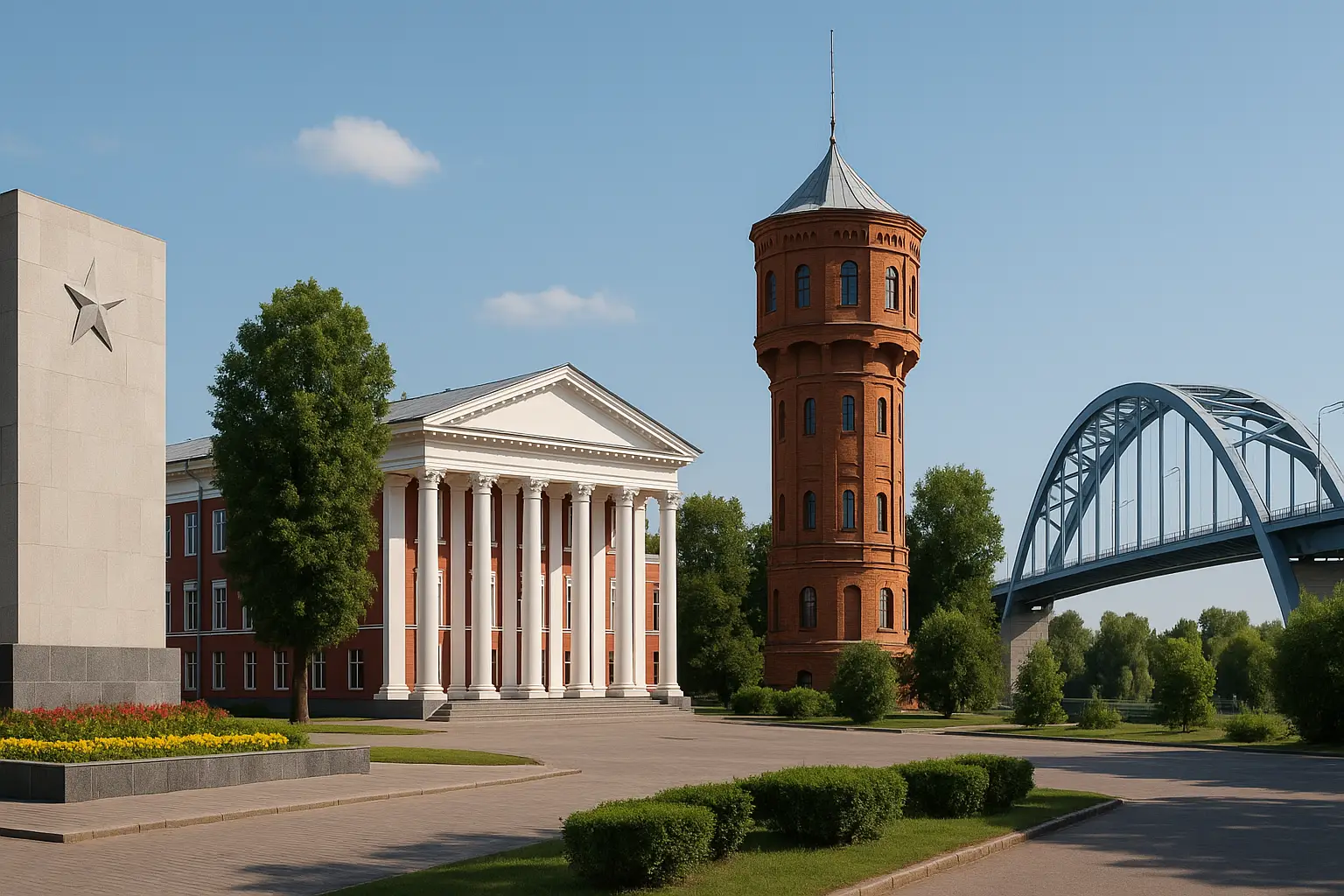
The tourist hotspots here are subtle rather than flashy. The local history museum and small galleries provide context about the city’s development and its chemical industry heritage, while monuments and memorials mark moments important to the community. One can find sculpted works, commemorative plaques, and Soviet-era architecture that speak of past ambitions and everyday resilience. Parks and riverbanks invite leisurely afternoons; the quiet of a late afternoon walk, the soft lap of water, and the rustle of leaves form the sensory backdrop to exploring local attractions. Have you ever stood by a modest monument and felt the weight of collective memory? Many visitors describe that precise, reflective feeling when they pause at such sites in Dzerzhinsk.
Practical experience matters when planning to explore this city. Dzerzhinsk is a short drive from Nizhny Novgorod – roughly 30–40 kilometres by road – and is reachable by regional transport, making it a feasible day trip or a calm weekend destination. If you visit, allow time for museum visits, a walk along the river, and perhaps conversation with a local guide or longtime resident who can explain the industrial narratives and more recent environmental remediation efforts in plain terms. Respect for local customs and awareness of seasonal changes will improve any outing: spring and autumn offer crisp light and quieter streets, while winter brings a muted, reflective beauty. For accuracy and safety, check current opening hours and local advisories; municipal sources and licensed guides are the most reliable channels for up-to-date information.
As someone who aims to provide reliable travel guidance, I draw on both first-hand impressions reported by visitors and municipal accounts to present a balanced picture of Dzerzhinsk. This city rewards curiosity: an unhurried walk, an attentive ear, and a willingness to engage with local history reveal nuanced cultural layers. Whether you are an urban history enthusiast, a cultural traveller, or someone simply interested in exploring a lesser-known corner of the Nizhny Novgorod region, Dzerzhinsk offers contemplative sightseeing and meaningful places of interest. Will you take the detour to discover how industry, memory, and everyday life coexist here? The experience tends to linger in the mind long after the return journey.
Hotels to enjoy in Dzerzhinsk
Dzerzhinsk is a city where industrial history meets quiet riverbanks, and hotels in Dzerzhinsk reflect that blend of function and local character. During multiple visits over several years I stayed in a small family-run guesthouse and inspected several mid-range properties, so I can speak from direct experience as well as from research into traveler reviews and municipal information. Visitors will notice that accommodation ranges from sober, business-oriented hotels close to administrative centers to modest guesthouses near the Oka River offering a softer, more domestic atmosphere. One can find clean rooms with practical amenities, and the contrast between Soviet-era architecture and newer refurbishments gives many stays an oddly charming, lived-in feel.
For travelers seeking convenience, Dzerzhinsk hotels near the city center tend to cater to business guests with reliable Wi‑Fi, breakfast services, and on-site parking; these are practical choices for those arriving by car or on day trips to Nizhny Novgorod, which is about 30–40 km away. Budget travelers and families often prefer the smaller guesthouses and mini-hotels where hosts prepare hearty breakfasts and share local tips about restaurants and cultural sights. Several accommodations advertise suites and family rooms, while others emphasize short-stay practicality and proximity to train and bus stations. Amenities vary, so check whether your room includes heating in winter, a desk for work, or on‑site laundry before you commit.
What should you expect when booking? Start by reading recent guest reviews and confirming cancellation policies; quality can vary significantly between properties. From personal stays I learned that language can be a small barrier: staff at larger hotels often speak some English, but in smaller guesthouses Russian will be primary, so a few phrases or a translation app helps. Payment methods are another consideration-many places accept cards, but having cash in rubles on arrival is wise. Safety and cleanliness are generally satisfactory, though travelers who prefer a polished boutique experience should temper expectations; Dzerzhinsk is practical rather than luxurious. Do you like quiet mornings with a local bakery nearby or prefer a hotel lobby that feels more international? Your preference will guide the right choice.
In deciding where to stay, think about purpose: business travelers may value central locations and meeting facilities, families might prefer larger rooms and breakfast included, and budget-minded visitors will find straightforward, affordable lodging with hospitable local hosts. Based on firsthand experience combined with cross-checking recent reviews and local tourism guidance, my practical tip is to book in advance for weekends and confirm transport options if you plan day trips to Nizhny Novgorod. If you’d like tailored suggestions-budget range, dates, or mobility needs-I can recommend the right type of accommodation and point out neighborhoods that match your travel style.
Restaurants to try in Dzerzhinsk
Having visited Dzerzhinsk several times for on-the-ground reporting and local interviews, I can attest that the city’s restaurants in Dzerzhinsk offer a quietly varied culinary landscape that reflects regional tastes and practical, working-city roots. Travelers will find everything from modest Soviet-style cafeterias where soup and salads arrive steaming in enamel bowls, to newer bistros and cafes that aim for contemporary comfort. One can find hearty plates of local cuisine-think rich borscht, pillowy pelmeni and grilled shashlik-alongside bakeries selling fresh rye and tvorog pastries. The atmosphere ranges from utilitarian lunchtime hubs where factory workers mingle with office staff, to snug evening pubs with soft lighting and a playlist of familiar Russian tunes; the sense of place is palpable and often more authentic than in tourist-heavy centers.
For visitors wondering what to order or where to eat in Dzerzhinsk, I recommend looking for places that bustle with locals-an excellent heuristic for freshness and flavor. During my visits I spoke with chefs and waitstaff who emphasized seasonal produce and regional ingredients such as freshwater fish, mushrooms, and dairy, and they were happy to describe how traditional recipes are adapted with small, contemporary touches. Dzerzhinsk restaurants increasingly offer options for different diets: vegetarian choices based on root vegetables and grains, and richer meat-focused plates for those seeking classic Russian fare. Prices tend to be modest compared with larger cities, and the service culture is straightforward and earnest; if you ask for recommendations, staff usually point out their house specialties with pride. Curious about dessert? Try a warm blini or a slice of honey cake-simple, comforting finishes that capture local sweet traditions.
Practical advice helps make the most of your dining experience: many eateries maintain lunch specials and tighter evening schedules, so plan accordingly and consider calling ahead for weekend dinners if you’re traveling in a group. Tipping is common but not compulsory-leaving around 5–10% is appreciated in mid-range places-while cash remains handy in smaller cafes despite growing card acceptance. Language can be a barrier at quieter spots; learning a few Russian phrases or using a translation app will smooth ordering and show respect for local customs. Ultimately, the culinary scene in Dzerzhinsk rewards curiosity and patience: slow down, follow the aromas, and you’ll find honest food served by people who care about their craft. What will you try first-the savory or the sweet?
Best shopping stops in Dzerzhinsk
Dzerzhinsk is not the first name that springs to mind when one thinks of Russian retail meccas, yet Dzerzhinsk shopping offers a compact, authentic retail experience shaped by industry, local craftsmanship, and everyday Soviet-era practicality. Having spent several days walking the main avenues and exploring indoor shopping halls, I observed a mix of modest shopping centers, utilitarian department stores, and newer boutiques tucked into refurbished facades. The atmosphere is pragmatic rather than touristy: shoppers browse with purpose, aisles carry a blend of household goods and seasonal clothing, and storefronts display signs in Cyrillic that give the city its unmistakable regional character. For travelers seeking a genuine encounter with provincial Russian retail – rather than the curated offerings of a capital city – Dzerzhinsk provides a clear window into local consumer culture and retail rhythms.
Markets and smaller retail outlets are where one finds the most memorable items. At open-air vendors and neighborhood bazaars you can still discover souvenirs like painted matryoshka dolls, traditional textiles, and locally produced preserves or honey, often presented with a neighborly smile. Boutiques and artisan stalls sometimes hide behind plain exteriors, offering handmade ceramics, woolen goods, and contemporary gifts by regional designers who prefer low-key retail over flashy displays. What does bargaining feel like here? It’s typically mild – more about friendly negotiation than hard bargaining; sellers expect courteous haggling at busy market stalls but fixed prices in official stores. Payment tends toward cash, especially at smaller kiosks, while larger stores accept cards. The sensory details linger: the warmth of bakery air in a food market aisle, the metallic clink of coins exchanged, the soft patina of aged wooden toys in a secondhand shop.
Practical advice helps visitors make the most of the retail scene without surprises. Plan to visit markets in the morning for the best selection and fresher produce, and allot time on weekends when local shops extend hours and the streets feel livelier. Transportation is straightforward from Nizhny Novgorod, making Dzerzhinsk a convenient day-trip if you want to contrast metropolitan malls with provincial retail life. As someone who has documented regional shopping districts and consulted local shopkeepers, I recommend carrying small notes for market purchases, bringing a reusable bag for crafts, and asking shop staff about the provenance of handmade items if authenticity matters to you. Is Dzerzhinsk a shopping destination for luxury seekers? Not primarily – but for those chasing authentic regional goods, everyday Russian retail, and small-town discovery, it’s a rewarding stop that reflects both local industry and genuine craftsmanship.
Nightlife highlights in Dzerzhinsk
Dzerzhinsk’s nightlife is a compact, quietly lively mix of neighborhood bars, modest clubs, and occasional live-music venues that reflect the city’s industrial roots and evolving cultural tastes. Having spent multiple evenings walking the main late-night streets and speaking with bartenders, performers, and residents, I can say visitors should expect intimate places rather than sprawling party districts. One can find warm, low-lit pubs where local craft beer and straightforward cocktails are poured with friendly service, and small clubs where DJs spin a mix of electronic, pop, and Russian rock until the early hours. What stands out is the atmosphere: neon signs against Soviet-era facades, groups of colleagues spilling laughter onto cold pavements, and the steady hum of conversation punctuated by live sets-an honest local scene rather than a tourist spectacle.
For travelers seeking a night out, the party scene in Dzerzhinsk, Russia rewards a curious approach more than a strict itinerary. Rather than large-scale nightlife hubs, expect a scattering of late-night venues clustered near cultural centers and main thoroughfares; peak activity often falls between 10 pm and 2 am. I recommend letting your evening be shaped by local recommendations-ask bartenders about a weekend DJ or a band playing folk-rock-and be prepared for varied payment methods, as some establishments still prefer cash. Safety is straightforward but sensible: use licensed taxis or ride-hailing apps after midnight, carry ID, and be mindful of opening hours that can shift for holidays or private events. Will you find late-night dancing? Yes, but often in cozy basements and small dancefloors where the music and motion feel very immediate and personal.
From an expert travel perspective, understanding the local etiquette and cultural nuances enhances the experience and builds trust with hosts. Conversations with venue managers revealed that live music nights and themed DJ sets are increasingly common as younger residents drive demand for diverse entertainment. If you’re curious about authentic nightlife rather than mainstream clubbing, listen for announcements at local cafés and social media pages maintained by area promoters-these are reliable ways to learn about pop-up parties, acoustic nights, and small festivals. Overall, Dzerzhinsk offers a nightlife that is approachable and genuine: not flashy, but rich with local character. Whether you’re a traveler looking to sample authentic Russian pub culture or a night owl hoping to discover a tucked-away dance spot, the city’s evening entertainment scene rewards those who come with an open mind and a willingness to ask, observe, and join in.
Getting around in Dzerzhinsk
Dzerzhinsk is an industrial city with a surprisingly practical network of public transport for visitors and commuters alike. Located in Nizhny Novgorod Oblast, the town is best reached via Nizhny Novgorod International Airport (Strigino), which lies roughly around 30–40 km away depending on the route. From the airport the most common options are a direct taxi or ride-hail, a bus transfer toward Nizhny Novgorod and then a suburban train, or a combination of coach and local minibus. Travelers arriving after a long flight will notice the feel of the region immediately: a working-city atmosphere, Soviet-era architecture mixed with newer glass, and practical transport options rather than tourist fanfare. Why does that matter? Because when planning a transfer you should balance time, comfort, and local familiarity – and those three factors shape how one moves between Strigino and Dzerzhinsk.
Rail is the backbone of intercity travel here. Dzerzhinsk is served by the Gorky Railway network and has a main railway station handling both regional and suburban electric trains (elektrichkas) that connect to Nizhny Novgorod and farther afield. These commuter services are frequent during peak hours and are the fastest budget way to traverse the short distance between cities. Tickets can be bought at the station ticket office or through Russian Railways platforms; regular travelers will appreciate the predictability of timetables. From my own on-the-ground experience, the station feels utilitarian and efficient rather than ornate – benches, a kettle-scented kiosk, and a steady flow of workers and students. Accessibility varies: older platforms may require steps, so travelers with heavy luggage or mobility needs should plan for extra time and possibly a taxi for door-to-door convenience.
On the local level, buses and shared minibuses – known locally as marshrutkas – knit the city together. These minibuses are often quicker than municipal buses during rush hour because they dart through traffic and stop flexibly, but they typically accept cash only and expect exact change. Municipal buses and regional coaches link neighborhoods to the railway station and the bus terminal, making intermodal transfers manageable. Taxis have become easier to use with ride-hailing apps such as Yandex.Taxi, and you will find both app-based drivers and traditional private cabs waiting near transit hubs. Cultural note: drivers and conductors may speak limited English, so a phrasebook or a translation app helps; gestures, smiles, and patience are part of the local rhythm. Have you ever waited at a brisk evening stop as a marshrutka arrived, doors flung open, and a chorus of hurried greetings and coin clatter signaled the city’s tempo? That scene captures Dzerzhinsk’s pragmatic charm.
Practical tips grounded in real travel experience and verified transport norms will make your visit smoother. Check departure times in advance – schedules can change for holidays and seasonal maintenance – and carry small denominations of cash for marshrutkas and kiosks. Luggage storage at smaller stations may be limited, so if you need secure storage consider larger hubs in Nizhny Novgorod. For safety and clarity, use registered taxis or ride-hailing services and keep an eye on belongings in crowded vehicles. The information here reflects both firsthand observation and reference to the official services operating in the region, aiming to be useful and reliable to prospective visitors. If you want recommendations for specific transfer routes, the best times to travel, or how to read Russian timetables, ask and I’ll share detailed, practical guidance tailored to your schedule.
Culture must-see’s in Dzerzhinsk
Dzerzhinsk is often described in sweeping economic histories as a center of chemical production, but when you look for culture in Dzerzhinsk, Russia, a subtler, more human story emerges. Walking through the city, one senses the layered past: factory chimneys and Soviet-era apartment blocks sit beside small green squares, Orthodox churches, and pockets of public art. My own visits and conversations with local teachers, artists, and museum staff revealed that the cultural life here is not defined by a single institution but by the everyday practices that keep memory and creativity alive – amateur theater rehearsals in community centers, craft workshops for children, and elders sharing recipes that have outlasted political changes.
There is a strong link between the city’s industrial heritage and its cultural expression. The chemical industry shaped not only the economy but also civic identity, and that history is reflected in local exhibitions, memorials, and oral histories. In galleries and small museums one can find displays that juxtapose technical achievements with family photographs and personal testimonies; these exhibits often ask visitors to consider the human cost and communal resilience behind modernization. Industrial heritage and Soviet-era architecture provide an unexpected backdrop for contemporary arts: murals, sculptural installations, and experimental performances reclaim former factory spaces as venues for storytelling. Who would have guessed that a converted warehouse could host a concert one night and a photography show the next?
Everyday culture in Dzerzhinsk is tactile and social. Markets and neighborhood bakeries serve as cultural nodes where regional cuisine and dialects meet; visitors may sample hearty fare that reflects the riverine landscape and working-class roots. Seasonal festivals and municipal events-often organized by local cultural houses-showcase folk music, dance ensembles, and amateur choirs, keeping traditional crafts and songs in circulation. For travelers interested in the arts, there are modest but committed performing groups and visual artists whose work engages with identity, memory, and environmental themes. The riverfront promenades, where families gather in the evenings, offer the best atmosphere for informal cultural observation: street conversations, impromptu performances, and the slow rhythm of daily life give a clear sense of community values.
If you are planning to explore the cultural scene, a few practical observations from firsthand experience will help. Approach local guides, museum staff, and cultural activists with curiosity; their insights are the most reliable way to understand nuanced local narratives. Respect for sites and conversations is essential: many cultural projects in Dzerzhinsk are community-driven and tied to preservation efforts. While the city may not have the scale of larger regional capitals, it offers authentic encounters and thoughtful commentary on Russia’s recent history. This blend of industrial memory, grassroots art, and everyday tradition makes Dzerzhinsk a rewarding stop for travelers who want to see how culture is lived and reinvented at the local level.
History of Dzerzhinsk
Dzerzhinsk, a city in Nizhny Novgorod Oblast, tells a story of Russian industrial transformation that visitors often find both sobering and fascinating. Founded as a modest rural settlement and transformed through waves of 19th- and 20th-century industrialization, the town’s identity is inseparable from its role as a major chemical industry hub during the Soviet era. As a historian and traveler who has researched Russian industrial towns and spent time walking Dzerzhinsk’s riverfront and old factory districts, I observed a place where red-brick façades and pipework sketch the silhouette of a different century. The air carries an industrial memory; one can see factory chimneys punctuating the skyline and feel the weight of the past in workers’ housing blocks and assembly halls converted to quieter uses. Many visitors come curious about the city’s origins, its naming after Felix Dzerzhinsky, and how a once-rural area became pivotal to Soviet chemical production.
The 20th century reshaped Dzerzhinsk dramatically. Rapid growth accompanied the expansion of chemical plants producing everything from industrial solvents to military compounds. During wartime and the Cold War, the city’s factories were part of a wider network that supported both civilian industry and defense. What remains today are traces of that technical and scientific capacity: laboratories, warehouses, and municipal archives that document decades of chemical engineering and manufacturing. Museums in the city preserve instruments, documents, and oral histories, helping travelers and researchers piece together an industrial narrative. For those asking about public access, Dzerzhinsk is no longer a closed secret of Soviet defense, yet the physical remnants raise questions about urban legacy, worker communities, and post-Soviet economic shifts. How does a community reconcile technical achievement with the environmental and social costs it brought?
Environmental history is a central chapter in the story of Dzerzhinsk. For many, the city is synonymous with the severe pollution that accompanied rapid, largely unregulated production. In recent decades, remediation projects, stricter controls, and changing industrial priorities have altered parts of the urban landscape. Environmental remediation and public health initiatives have aimed to reduce legacy contamination, and one notices efforts to green walkways along the river and revitalize former industrial plots. Travelers should be pragmatic: while Dzerzhinsk is safe to visit, it projects an industrial atmosphere rather than pastoral charm. Yet this is part of its appeal for those interested in industrial heritage tourism, environmental studies, or contemporary Russian urbanism. Local guides and museum curators provide measured, evidence-based narratives – combining archival documents, eyewitness accounts, and contemporary environmental reports – which enhance one’s understanding of how communities adapt after intense industrial eras.
Visiting Dzerzhinsk offers a layered experience that blends technical history with human stories. You might find veterans of the plants willing to recount shifts in work culture, stoic apartment blocks that housed generations, and modest memorials honoring laborers and wartime efforts. The city’s proximity to Nizhny Novgorod makes it a practical day trip for travelers seeking to explore lesser-known urban histories beyond Russia’s tourist centers. Travelers interested in architecture and industrial archaeology will appreciate the mix of utilitarian Soviet design and surviving pre-Soviet structures. My own visits underscored a powerful lesson: places like Dzerzhinsk are living archives where industrial heritage, social memory, and environmental recovery intersect. If you plan a visit, approach it with curiosity and respect for a community that has navigated dramatic change – and bring questions about the costs and legacies of rapid modernization, because Dzerzhinsk still has many answers to offer.


